
Viewers have never had more choice, or less patience. A typical evening can involve scrolling through several services, half-watching a trailer, reading reviews and then returning to a familiar favourite. That behaviour explains many of today’s streaming entertainment trends. Platforms are no longer competing only on the size of their libraries. They are competing on price, live events, personal recommendations, release strategies and how easily a household can share one subscription.
The early streaming era promised a simple bargain: pay one monthly fee and watch almost anything without adverts. That model has become more complicated. Costs have risen, services have multiplied and studios now think carefully about whether a programme should appear weekly, all at once or first in cinemas. For audiences, the result is a market that offers brilliant choice but requires more deliberate decisions about what is actually worth paying for.
Ad-Supported Plans Are Now Mainstream
Cheaper plans with advertising have become a permanent part of streaming rather than a temporary discount. They allow platforms to reach viewers who will not pay premium prices, while higher tiers promise fewer interruptions, better picture quality and downloads. For households, mixing one premium service with one or two cheaper plans can be more realistic than subscribing to everything at once.
Advertisers like streaming because they can reach audiences who rarely watch traditional television and measure responses more closely. Viewers are generally accepting when the saving is clear and the number of adverts is reasonable. Problems arise when the same short advert repeats constantly or interrupts a dramatic scene clumsily. The services that succeed will treat the ad-supported experience as a real product, not as punishment for paying less.
Live Sport and Events Bring Back Appointment Viewing
Streaming began with on-demand freedom, but live events are pulling audiences back to a shared start time. Sport is the clearest example, joined by reality finals, major interviews, comedy specials and one-off concerts. Live programming gives platforms something social media can amplify in the moment, and it gives subscribers a reason to stay during a particular season rather than joining for one weekend of binge viewing.
Sport also reminds fans why depth still matters alongside convenience. Debates about the greatest performers do not end when the live coverage stops; they continue through documentaries, archive matches and analysis. Our discussion of the greatest all-rounders in cricket history shows how enduring those conversations can be. Streaming services increasingly package live action with that surrounding storytelling, turning a single match into a week of related viewing.
Weekly Releases, Box Sets and the Middle Ground
The all-at-once release created the modern binge, but it can also make a programme disappear from conversation after one weekend. Weekly episodes give audiences time to speculate, share theories and return together. Many platforms now use a hybrid model: launch with two or three episodes, continue weekly, and make the full series available after the finale. That approach combines immediate momentum with a longer life for the show.
Series are also getting shorter and more focused. Six strong episodes can suit a thriller better than ten padded ones, while returning comedies benefit from familiar rhythms. Viewers have become quicker to abandon a series that feels stretched. Completion rates now matter to platforms because a finished series creates satisfaction and recommendations, while an abandoned one suggests the subscription is not delivering value.
Interactive and Game-Related Entertainment
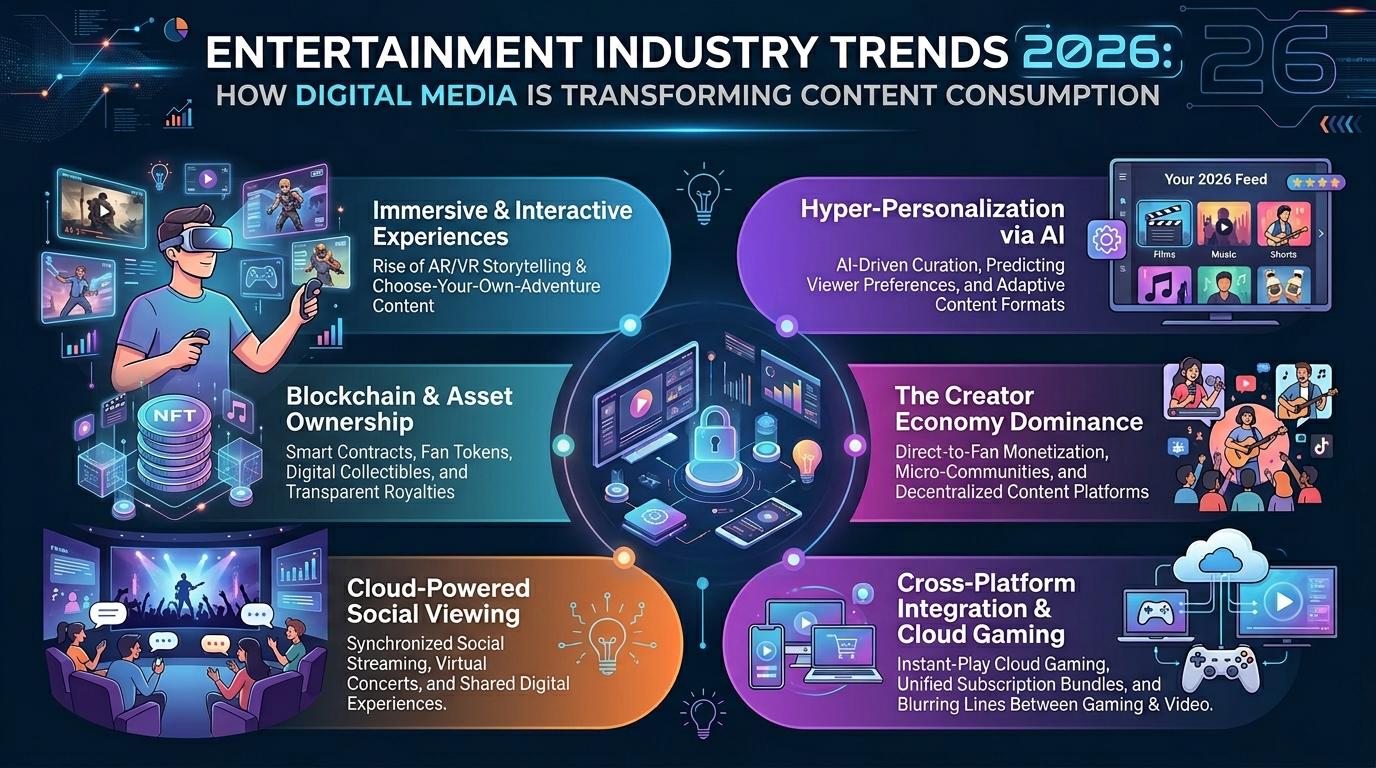
Streaming services are borrowing ideas from games: choose-your-path stories, live polls, quizzes, watch parties and bonus material that rewards loyal fans. Games themselves are also becoming entertainment brands, with adaptations, tournaments and creator-led shows reaching people who may never play the title. The boundary between watching and participating is thinner than it was.
New players benefit most when interactive products explain themselves clearly. Our guide to beginner mistakes to avoid on DM Play is a reminder that confidence grows when rules and common errors are explained early. The same applies to a streaming extra or interactive episode: if viewers do not understand what to press, when to vote or how to rejoin the story, novelty quickly becomes frustration.
Digital play has its own established audience habits too. Features such as bonuses, themes, tournaments and social play help explain the continuing appeal discussed in our look at online slot games and modern digital entertainment. Streaming producers study the same lesson: clear rewards, variety and a sense of occasion keep people returning, but only when the underlying experience is enjoyable rather than manipulative.
Personalisation Gets Better, and More Debated
Recommendations now shape the home screen, the artwork a viewer sees and even the order of categories. Good personalisation can rescue an excellent foreign-language drama or documentary from obscurity. It can match a viewer with a niche interest far better than a general chart. Families, however, often share profiles, children influence the algorithm, and a recommendation system can trap people in the same narrow type of programme.
Viewers are also becoming more aware of data. They want to know why something is recommended, how to reset viewing history and how to keep children’s profiles separate. Platforms that offer simple controls and useful human-curated collections will stand out from services that rely entirely on an opaque algorithm. Discovery should feel like a knowledgeable friend making suggestions, not like being followed around a shop.
Consolidation, Bundles and Rising Expectations
After years of launching separate services, media companies are bundling again. A combined package for sport, drama and children’s programming can reduce cost and password fatigue, but it can also recreate the old cable bundle that streaming was supposed to replace. Partnerships between streamers, mobile companies and broadband providers will become more common as each service fights to reduce cancellations.
Viewers are responding by rotating subscriptions. They join for a series, cancel, and return months later. Platforms dislike that behaviour, but it is a rational response to household budgets. The answer is not to trap customers with confusing cancellation journeys. It is to maintain a steady supply of programmes people value, communicate price rises honestly and make pausing or returning painless.
What Viewers Should Watch Next
For audiences, the smartest strategy is to be intentional. Keep a list of programmes you genuinely want to see, rotate services around releases, use ad-supported tiers where they make sense and review subscriptions every few months. Shared household accounts should follow each provider’s current rules, and parents should check profiles, spending controls and age settings rather than assuming the defaults are right.
The next phase of streaming entertainment trends will be defined less by who has the most titles and more by who respects the viewer’s time and money. Live events will create shared moments, personalisation will improve discovery, and games and interactive formats will invite audiences to take part. Yet the winning service will still need the oldest ingredient in entertainment: stories people care about, presented at a fair price and easy to find on the night they sit down to watch.