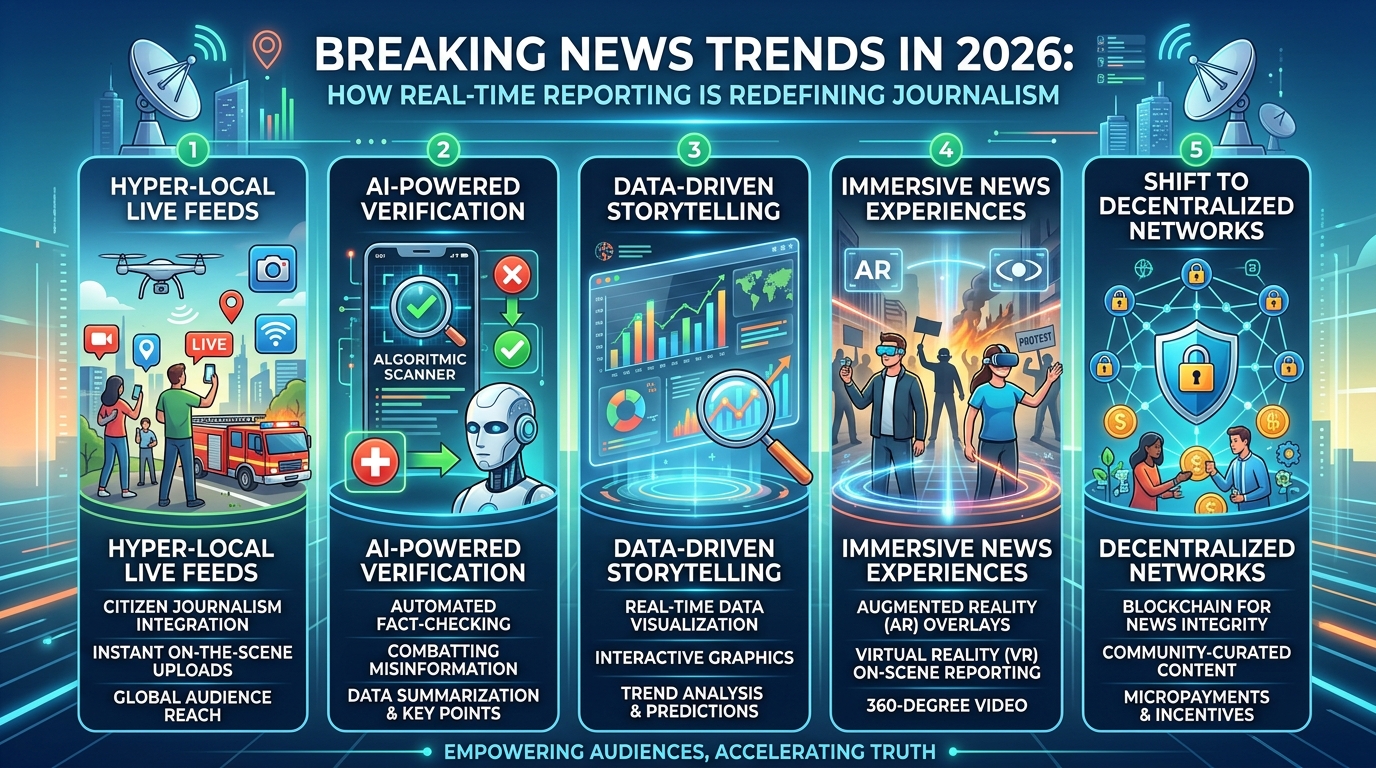

Breaking news in 2026 has transformed into a highly dynamic and technology-driven system where information is delivered instantly across the globe. The traditional delay between an event and its reporting has almost disappeared, replaced by real-time updates through mobile apps, social media platforms, and digital news networks. This rapid evolution has changed not only how news is delivered but also how audiences consume and interact with information. In today’s fast-paced world, breaking news is no longer just about being first; it is about being accurate, reliable, and engaging in a competitive digital environment.
Evolution of Real-Time News Reporting
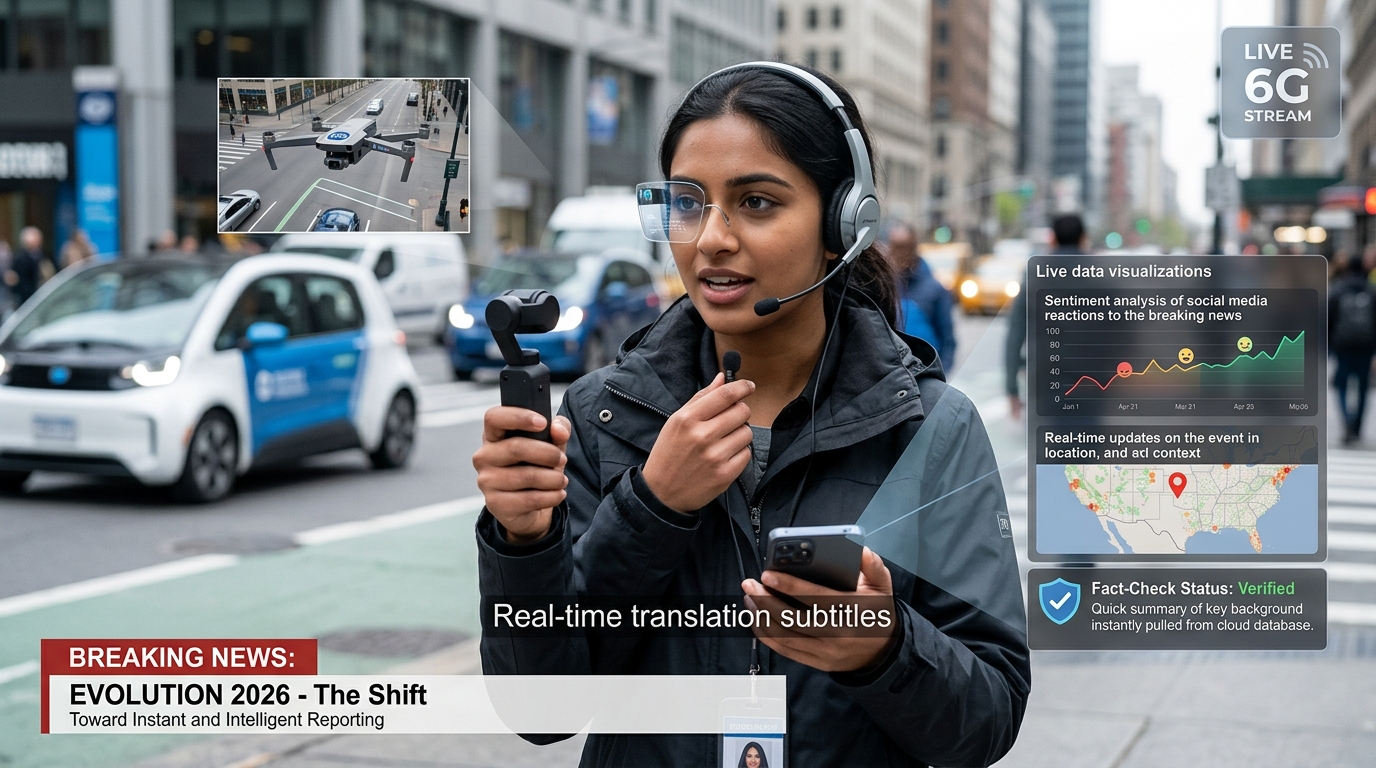
Real-time news reporting has developed significantly with the advancement of digital technology. In earlier times, news was broadcast through television or printed in newspapers after thorough verification, which often caused delays. Today, journalists use smartphones, live streaming tools, and cloud-based systems to report events as they happen. This evolution has made journalism more immediate and accessible but has also increased the pressure on reporters to deliver accurate information quickly.
Role of Mobile Technology in Breaking News
Mobile technology has become a central part of breaking news systems. Smartphones allow journalists and ordinary users to capture videos, record events, and share updates instantly. News applications send push notifications directly to users, ensuring they are always informed about important developments. This convenience has made mobile devices the primary source of news consumption for millions of people worldwide.
Influence of Social Media Platforms
Social media platforms play a powerful role in spreading breaking news. Platforms such as Facebook, Instagram, and X allow users to share information instantly with a global audience. This has increased the speed of news distribution but also created challenges related to misinformation. News organizations now rely on social media monitoring tools to track trends and verify content before publishing official reports.
Importance of Speed in Modern Journalism
Speed has become one of the most important factors in modern journalism. News organizations compete to deliver updates as quickly as possible to capture audience attention. However, this race for speed must be balanced with accuracy. Publishing incorrect information can damage credibility and trust, making it essential for journalists to verify facts even under time pressure.
Challenges of Fake News and Misinformation
Fake news is one of the biggest challenges in the digital age. False information can spread rapidly through social media, causing confusion and panic among audiences. To combat this issue, news organizations are using fact-checking teams and AI-based verification tools. Educating audiences about reliable sources is also important in reducing the impact of misinformation.
Rise of Citizen Journalism
Citizen journalism has gained popularity as ordinary people contribute to breaking news coverage. With access to smartphones and social media, anyone can report events in real time. This provides valuable on-ground perspectives but also raises concerns about credibility and verification. Professional journalists still play a key role in validating and presenting information in a structured manner.
Impact of Artificial Intelligence on News Delivery
Artificial intelligence is transforming how breaking news is delivered. AI systems can analyze large amounts of data, detect trends, and generate news summaries within seconds. These tools help journalists work more efficiently and improve the speed of reporting. AI is also used in content personalization, delivering news based on user preferences and behavior.
Global Reach of Digital News Platforms
Digital news platforms have removed geographical barriers, allowing news to reach a global audience instantly. Events happening in one part of the world can be accessed by people everywhere within seconds. This global reach has increased awareness and connectivity but also requires responsible reporting to avoid misinterpretation.
Future of Breaking News Industry
The future of breaking news will be shaped by advanced technologies such as AI, automation, and predictive analytics. News platforms will become more personalized, providing updates tailored to individual interests. Virtual reality and immersive reporting may also become part of journalism, allowing audiences to experience events more interactively.
FAQs
Why is breaking news faster today
Because of mobile technology and digital platforms
How does social media affect news
It spreads information quickly but can also spread misinformation
What is citizen journalism
It is reporting done by ordinary people using smartphones
How is AI used in news
It helps in data analysis, trend detection, and content creation
What is the future of breaking news
It will be faster, smarter, and more personalized
Conclusion
Breaking news in 2026 represents a new era of journalism where speed, technology, and global connectivity play a crucial role. While real-time reporting has improved access to information, it also brings challenges such as misinformation and the need for accurate verification. As technology continues to evolve, the breaking news industry will become more advanced, ensuring that audiences receive reliable and timely information in an increasingly digital world.