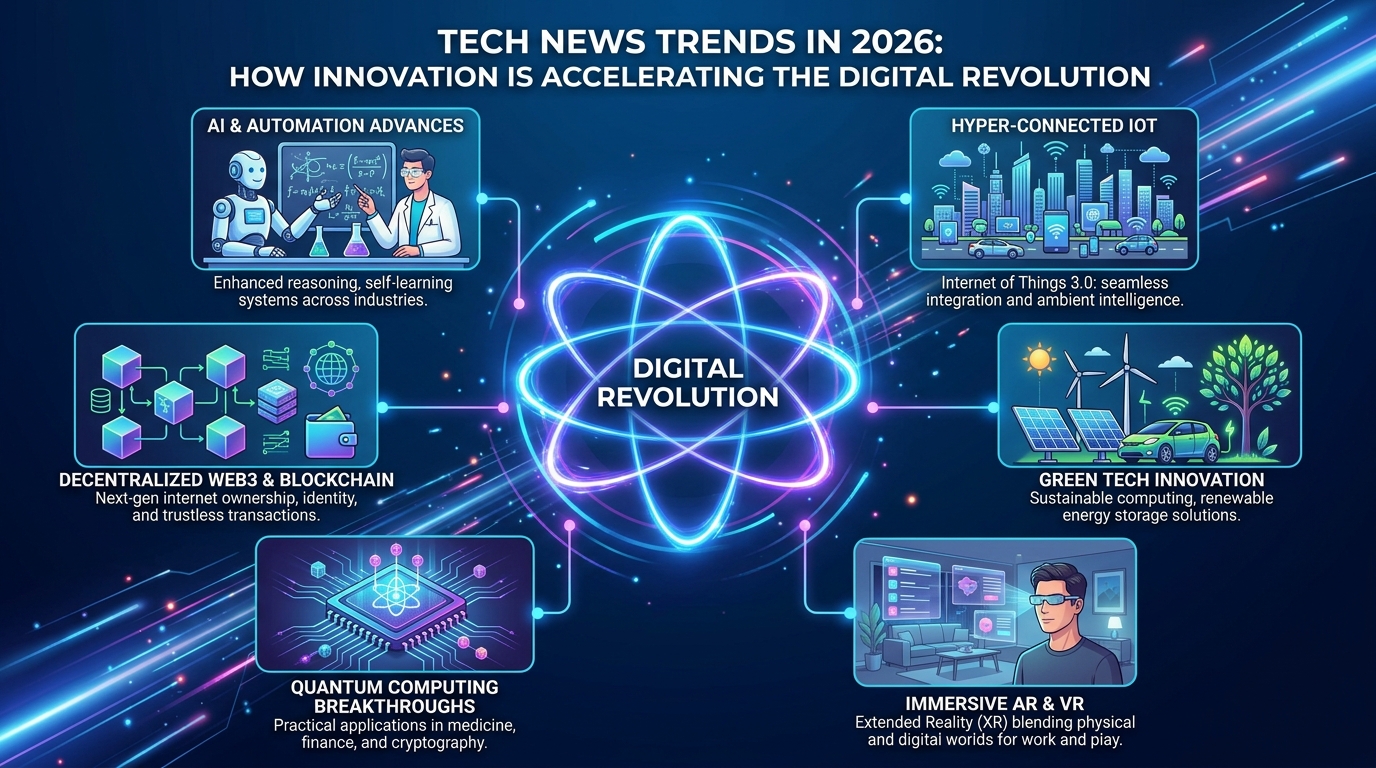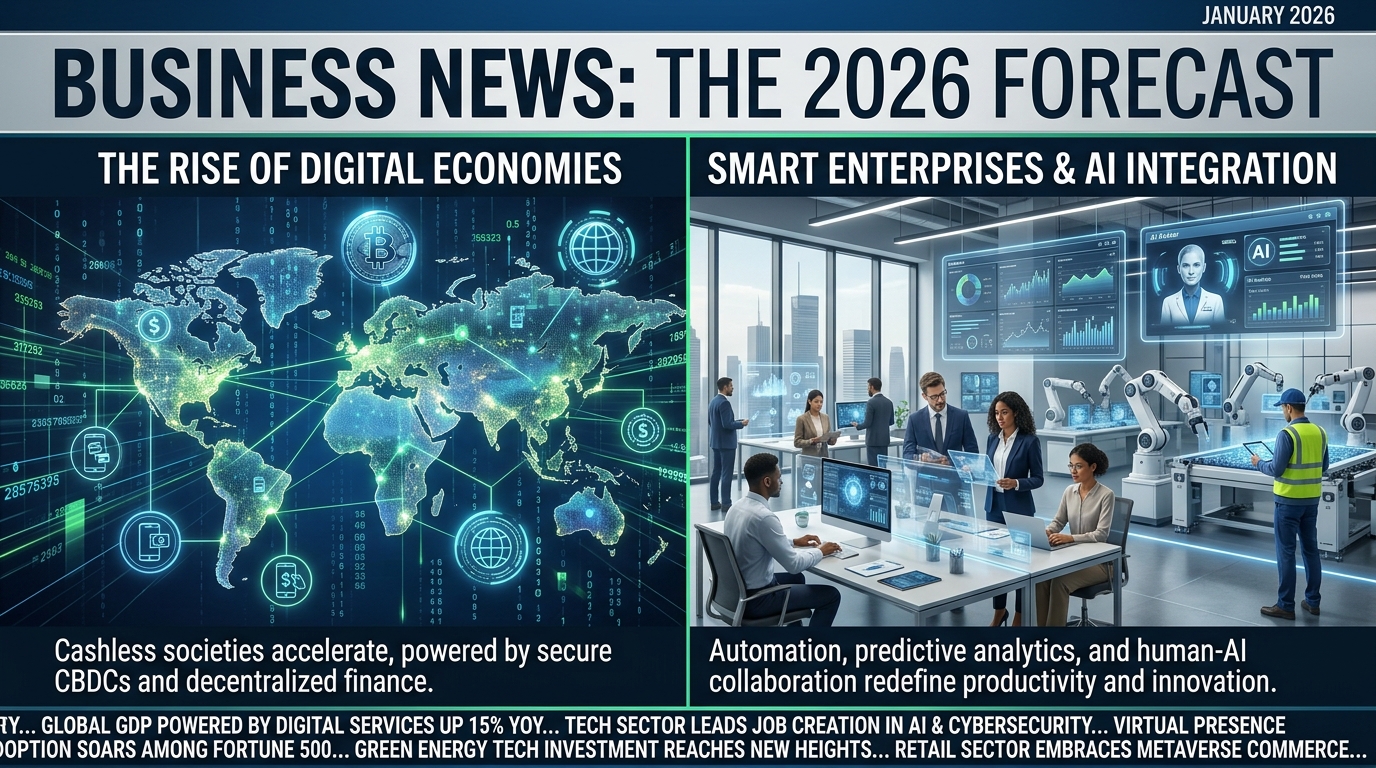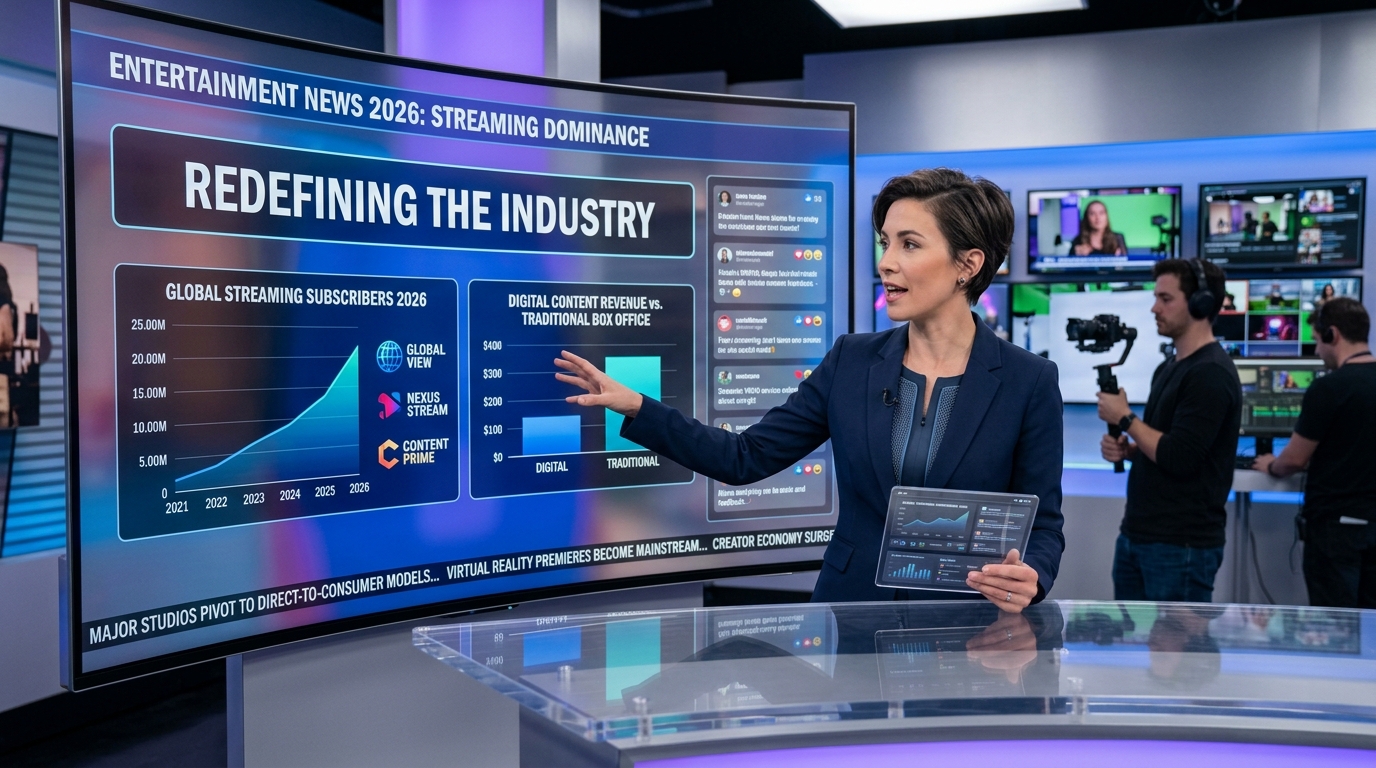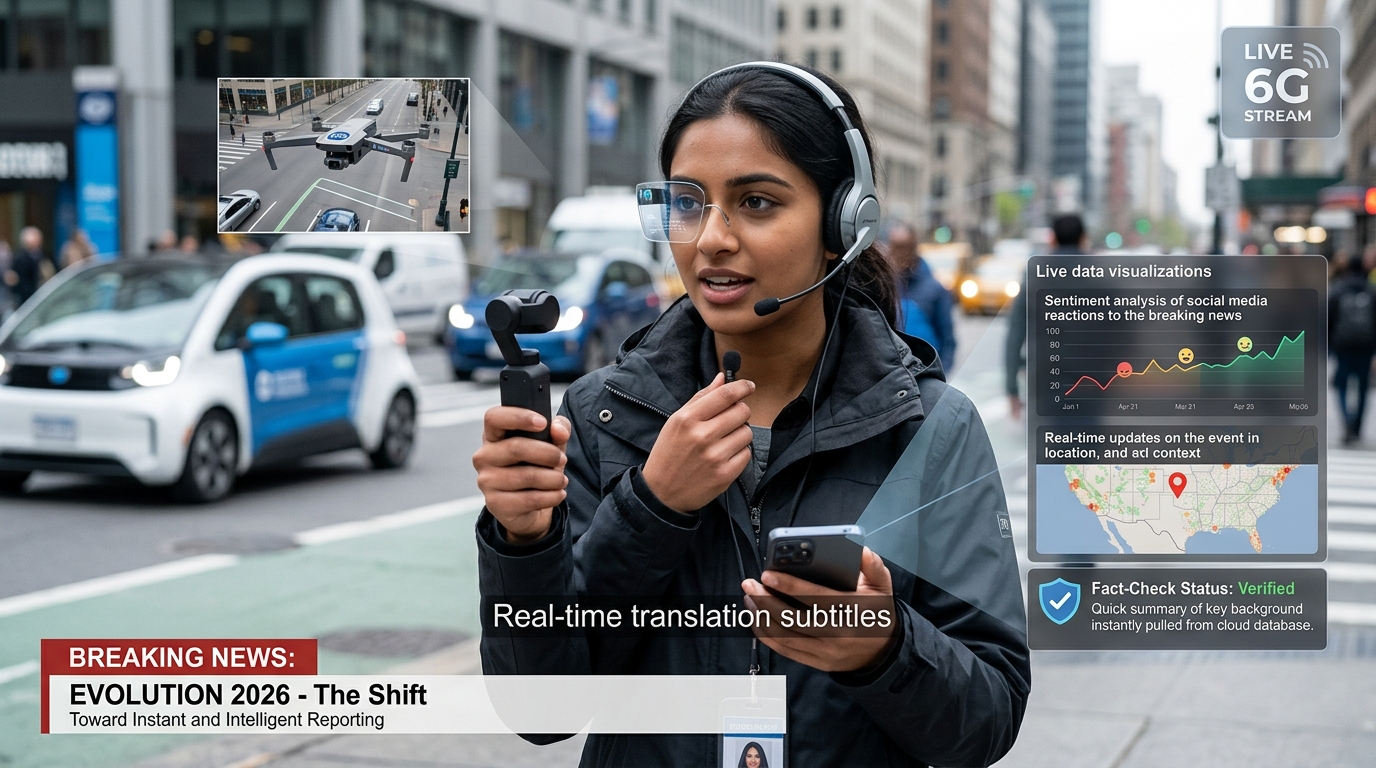

Breaking news in 2026 has entered a new phase where speed, intelligence, and global reach define how information is delivered. The traditional model of waiting for confirmed reports has been replaced by instant updates powered by digital platforms, mobile devices, and artificial intelligence. Audiences now expect to receive news the moment it happens, no matter where they are. This shift has transformed journalism into a fast-paced, technology-driven field where accuracy, credibility, and speed must work together to maintain public trust.
Transition from Traditional to Digital News Systems
The transition from traditional news systems to digital platforms has completely changed the media landscape. Newspapers and television broadcasts are no longer the primary sources of breaking news. Instead, websites, mobile apps, and social media platforms dominate news distribution. This digital shift allows information to travel instantly across the world, making news more accessible and widespread than ever before.
Importance of Real-Time Updates
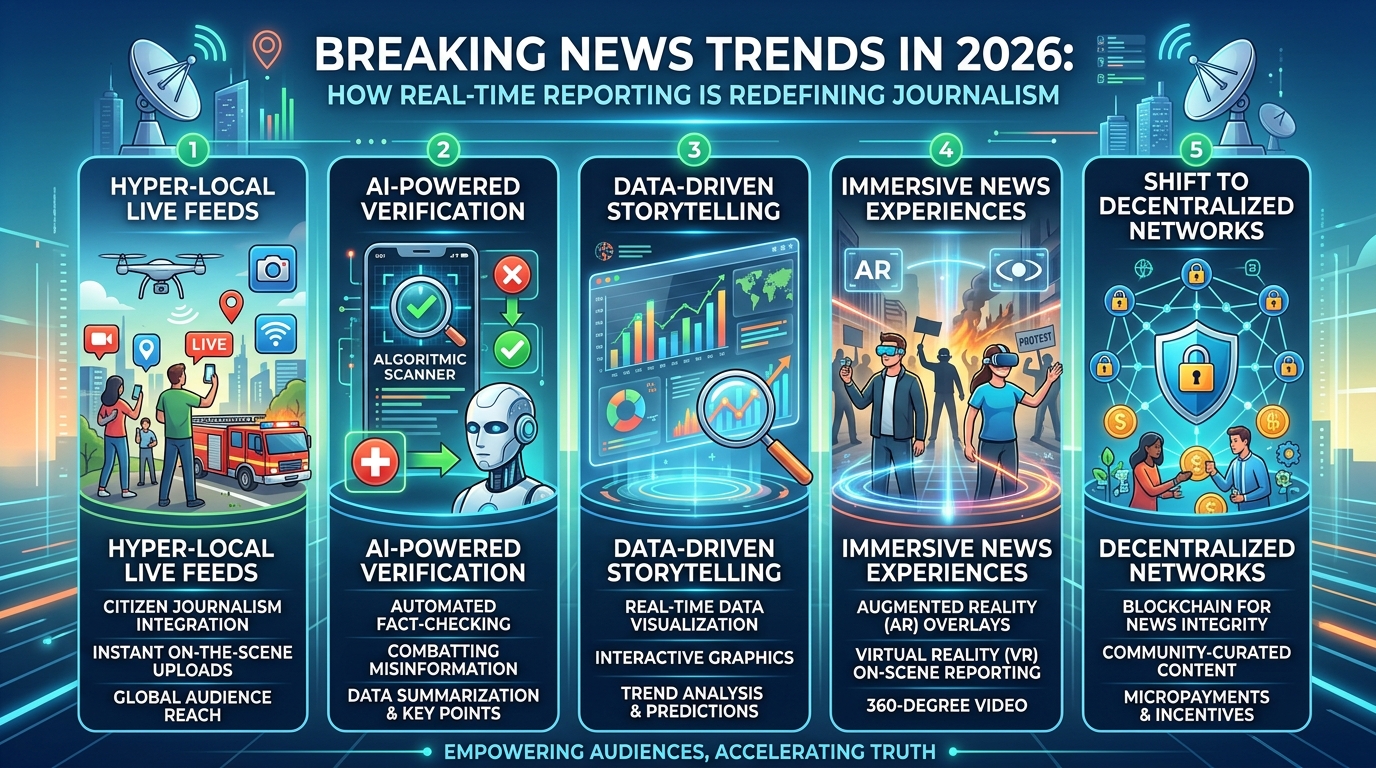
Real-time updates have become a defining feature of modern breaking news. Journalists now provide live coverage of events using mobile devices and online platforms. This allows audiences to follow developments as they happen, creating a more engaging and interactive experience. Real-time reporting also increases competition among news organizations to deliver the latest updates first.
Role of Artificial Intelligence in News Analysis
Artificial intelligence is playing a significant role in analyzing and delivering breaking news. AI systems can scan large amounts of data, identify emerging trends, and generate quick summaries. This helps journalists focus on deeper analysis while machines handle repetitive tasks. AI also assists in detecting misinformation by cross-checking multiple sources.
Social Media as a Primary News Source
Social media platforms have become one of the most influential sources of breaking news. Users share live videos, images, and updates directly from the scene of events. This creates immediate awareness but also raises concerns about accuracy. News organizations must verify social media content before publishing it as official news.
Challenges of Misinformation and Fake News
Misinformation remains a major challenge in the digital news environment. False information can spread rapidly, especially during major events. To address this issue, media organizations are investing in fact-checking teams and advanced verification technologies. Educating the public about reliable sources is also essential in reducing the impact of fake news.
Rise of Mobile Journalism
Mobile journalism has become a key component of breaking news reporting. Journalists use smartphones to capture, edit, and publish news content instantly. This flexibility allows for faster reporting and broader coverage. Mobile journalism has also reduced the need for heavy equipment, making news production more efficient.
Globalization of News Distribution
Digital platforms have made news distribution global. Events happening in one country can be accessed by audiences worldwide within seconds. This globalization increases awareness and connectivity but also requires responsible reporting to avoid misinterpretation across different cultures and regions.
Balancing Speed and Accuracy
One of the biggest challenges in breaking news is balancing speed with accuracy. While audiences demand instant updates, incorrect information can damage credibility. News organizations must ensure proper verification processes even when working under time pressure. Maintaining this balance is essential for trustworthy journalism.
Future of Intelligent News Systems
The future of breaking news will involve intelligent systems that combine AI, automation, and predictive analytics. These systems may be able to identify potential events before they occur by analyzing data patterns. Personalized news delivery will also become more common, providing users with updates tailored to their interests.
FAQs
Why is breaking news faster today
Because of digital platforms and mobile technology
How does AI help in journalism
It analyzes data and generates quick reports
What role does social media play in news
It spreads updates quickly but needs verification
What is mobile journalism
Reporting news using smartphones and digital tools
What is the future of breaking news
It will be intelligent, fast, and personalized
Conclusion
Breaking news in 2026 reflects a world where information travels instantly and technology plays a central role in journalism. While this transformation has improved accessibility and speed, it has also introduced challenges such as misinformation and the need for accurate reporting. As technology continues to evolve, breaking news systems will become more intelligent and reliable, ensuring that audiences receive timely and trustworthy information in an increasingly connected world.