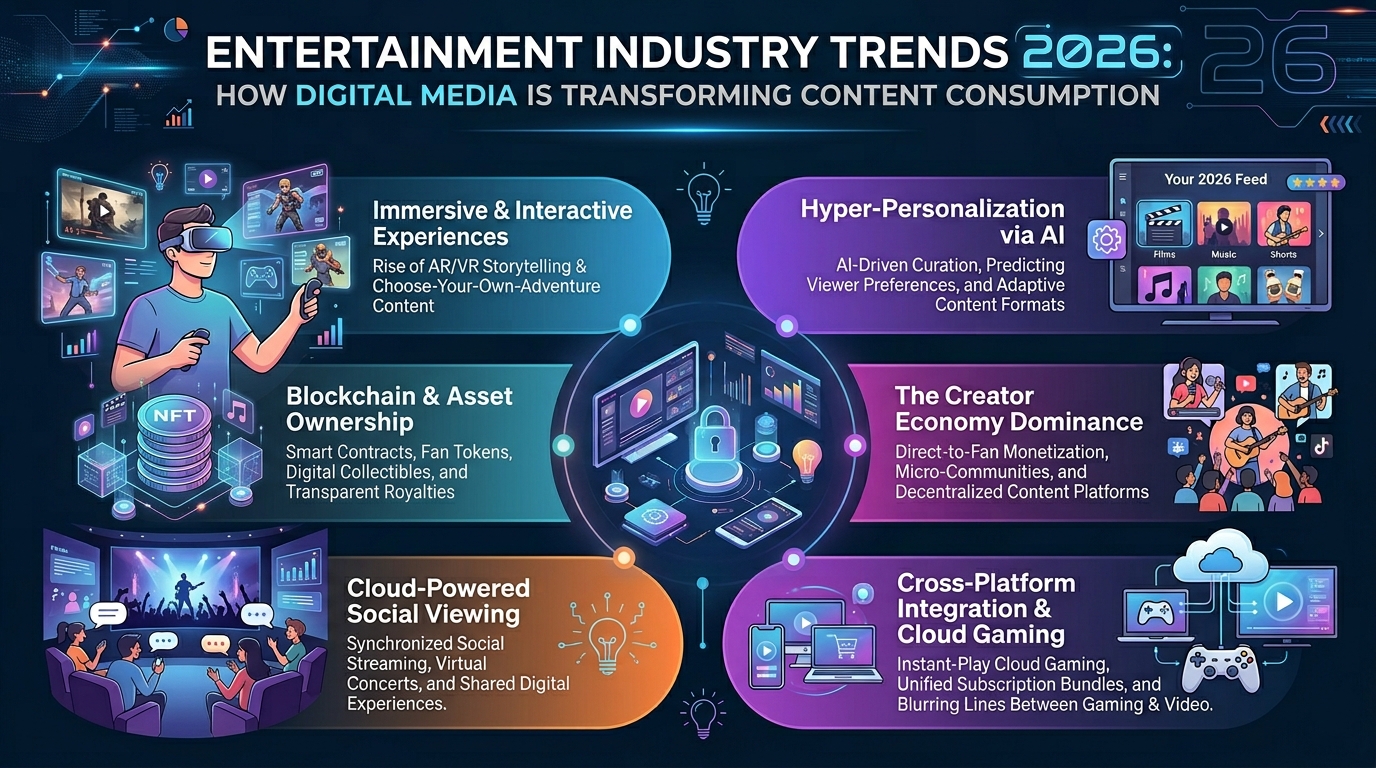

Entertainment industry trends in 2026 clearly show a shift towards digital media where content is consumed faster, smarter, and more personally than ever before. Traditional entertainment formats such as cable television and physical media are gradually being replaced by streaming platforms, social media content, and on-demand services. Audiences now expect flexibility, high-quality content, and personalized recommendations. This transformation has not only changed how people consume entertainment but also how content is created, distributed, and monetized across the globe.
Growth of Streaming Platforms Worldwide
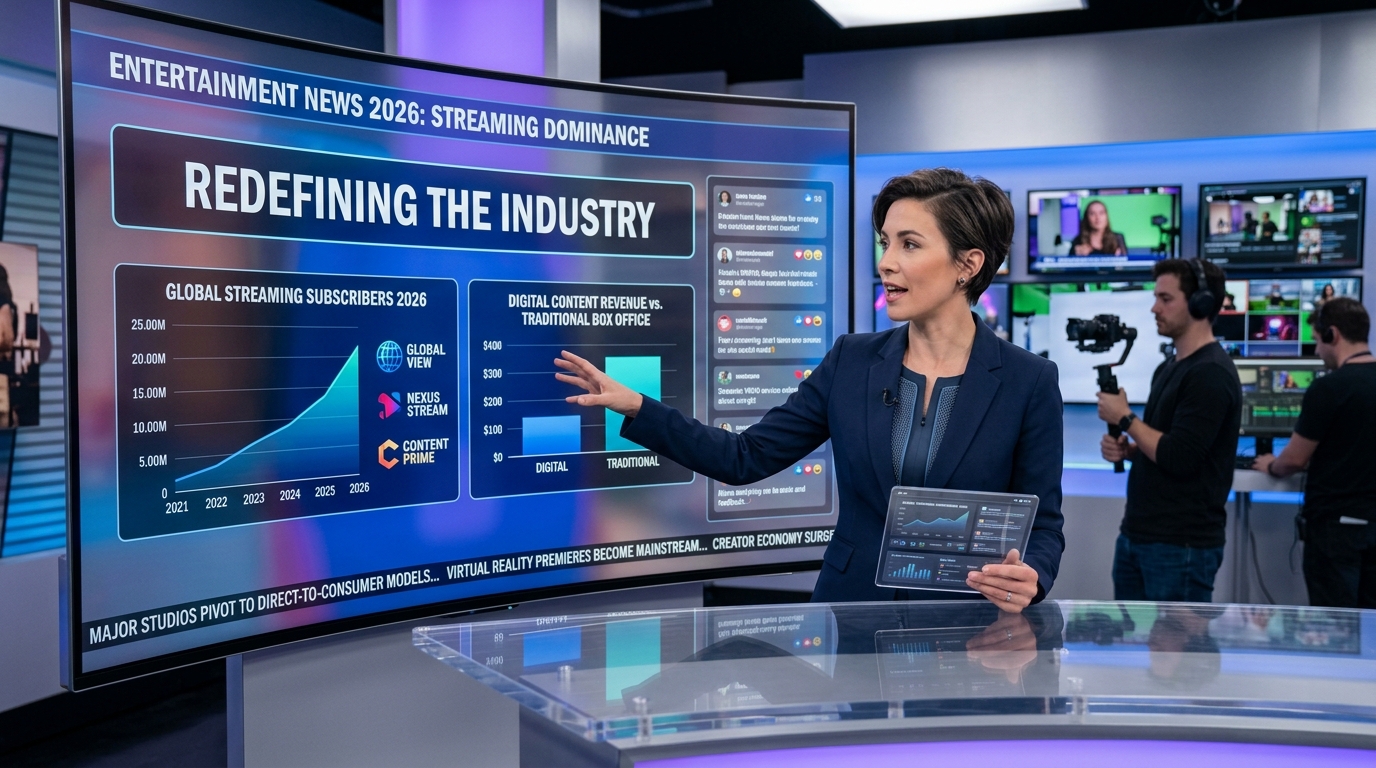
Streaming platforms have become the dominant force in the entertainment industry. Services like Netflix, Disney Plus, and Amazon Prime Video are offering a vast range of content accessible anytime and anywhere. This convenience has made streaming the preferred choice for modern audiences. Content creators are now focusing on producing exclusive shows and movies for these platforms, leading to increased competition and innovation in storytelling.
Rise of Short-Form Content and Social Media
Short-form content has gained massive popularity due to platforms like TikTok, Instagram Reels, and YouTube Shorts. Users prefer quick and engaging videos that can be consumed in seconds. This trend has created new opportunities for content creators and influencers to reach large audiences without traditional media support. Brands are also using short-form content for marketing and audience engagement.
Influence of Digital Creators and Influencers
Digital creators and influencers are now key players in the entertainment ecosystem. They produce content, build loyal audiences, and collaborate with brands for promotions. Influencers often have stronger engagement with their followers compared to traditional celebrities. This shift has changed the dynamics of fame and content creation in the modern era.
Changing Business Models in Entertainment
The business model of entertainment has shifted from one-time purchases to subscription-based services. Streaming platforms generate revenue through monthly subscriptions, advertisements, and premium content. This model provides a steady income stream for companies while offering continuous value to users. It also allows for better content planning and audience retention.
Role of Technology in Content Production
Advanced technology is improving the quality and efficiency of content production. Tools like CGI, AI editing software, and virtual production techniques are making it easier to create high-quality visuals. Even independent creators can now produce professional-level content with limited resources. This democratization of content creation is increasing diversity in the entertainment industry.
Global Reach of Digital Entertainment
Digital platforms have removed geographical barriers, allowing content to reach a global audience. Shows and movies from different countries are now accessible worldwide, increasing cultural exchange and diversity. Subtitles, dubbing, and localization have made it easier for audiences to enjoy international content.
Personalized Viewing Experience
Personalization has become a key feature of modern entertainment platforms. Algorithms analyze user preferences and viewing history to recommend relevant content. This improves user satisfaction and keeps audiences engaged for longer periods. Personalized experiences are now expected as a standard feature in digital entertainment.
Challenges Facing the Entertainment Industry
Despite its growth, the entertainment industry faces challenges such as content piracy, high production costs, and intense competition. Protecting intellectual property and maintaining originality are major concerns. Additionally, the pressure to continuously produce engaging content can lead to creative fatigue among creators.
Future of Entertainment Industry
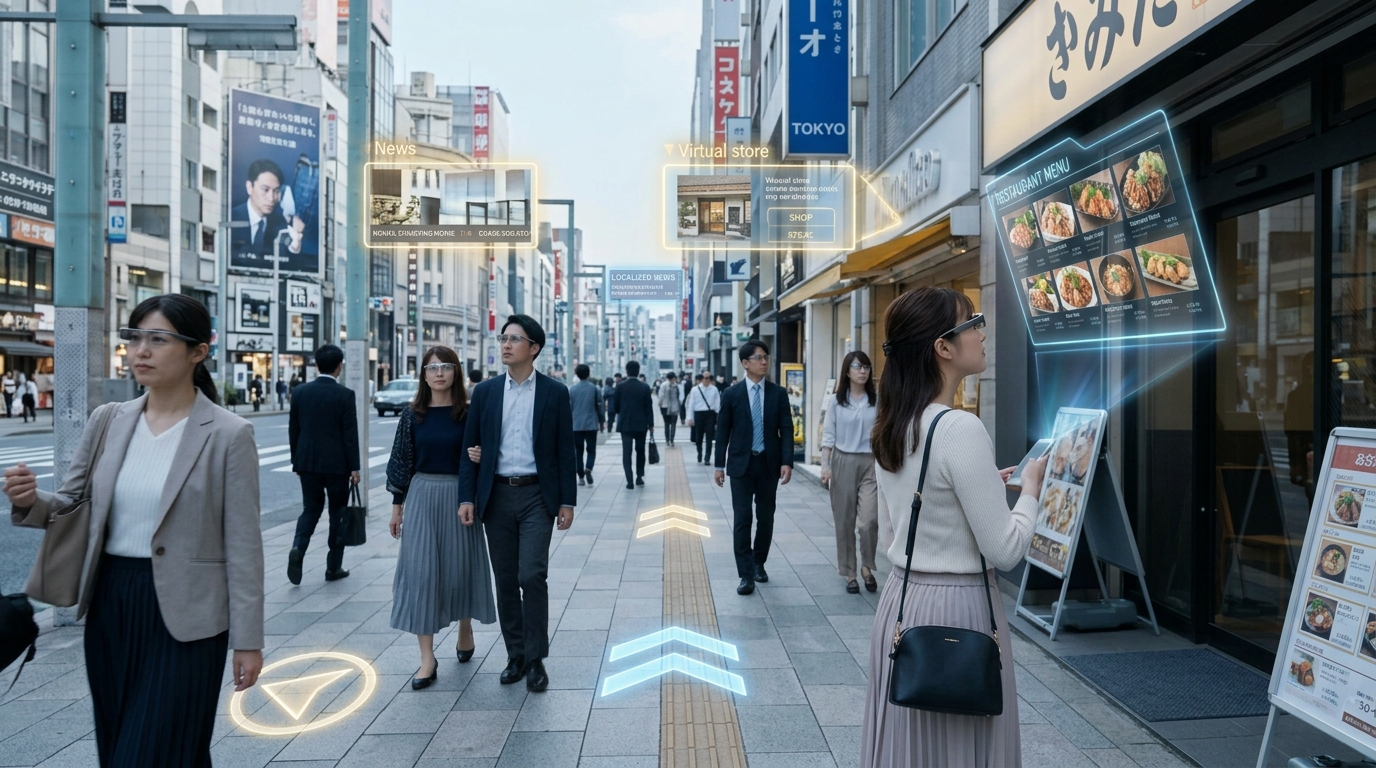
The future of entertainment will include immersive technologies such as virtual reality and augmented reality. Interactive content, where users can influence storylines, will become more common. Artificial intelligence may also play a role in content creation and recommendation, making entertainment more engaging and dynamic.
FAQs
Why are streaming platforms popular
Because they offer flexible and on-demand content
What is short-form content
Quick videos designed for fast consumption
Who are digital creators
Individuals who create content for online platforms
How is technology improving entertainment
It enhances production quality and efficiency
What is the future of entertainment
It will be more interactive and technology-driven
Conclusion
Entertainment industry trends in 2026 highlight a major shift towards digital platforms, personalized experiences, and global accessibility. Streaming services, social media content, and advanced production technologies are reshaping how entertainment is created and consumed. As innovation continues to grow, the industry will become more immersive, interactive, and user-focused, offering new opportunities for creators and audiences worldwide.