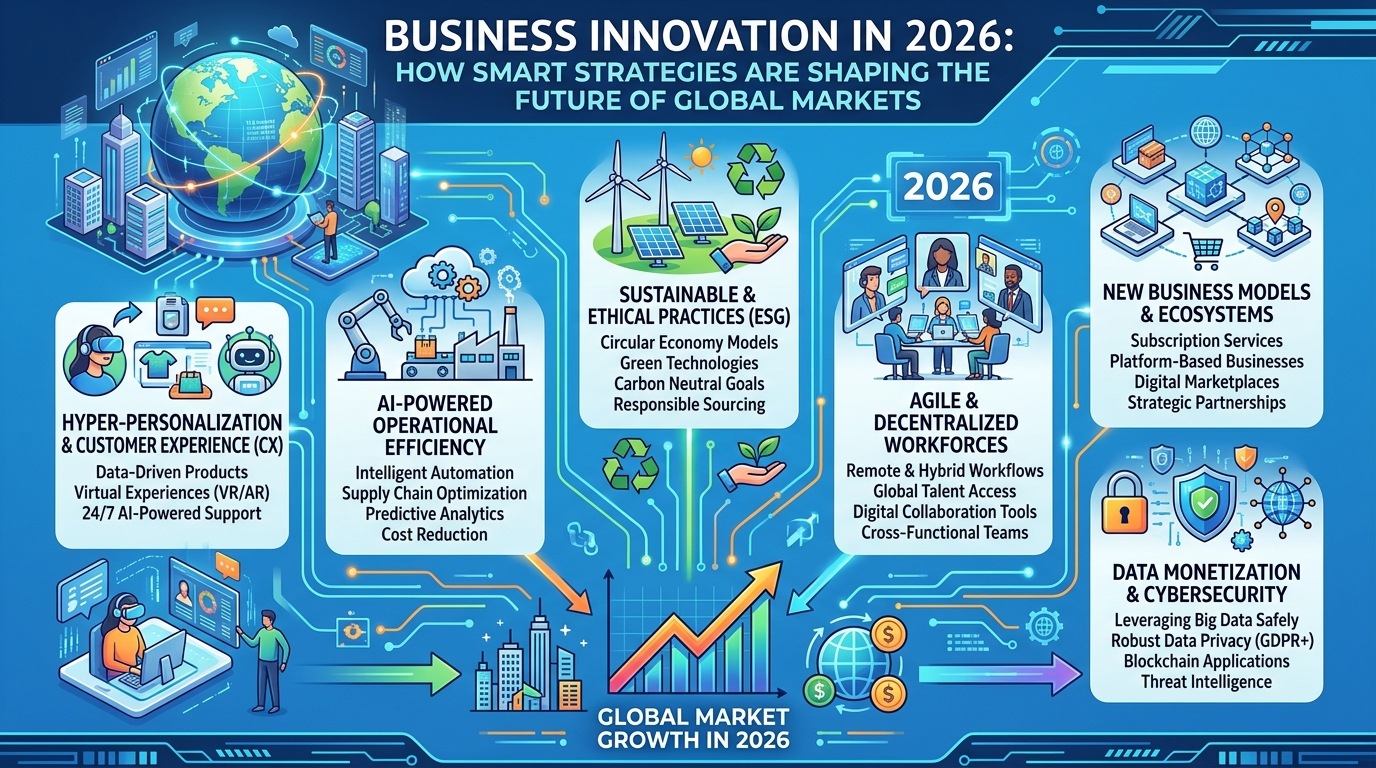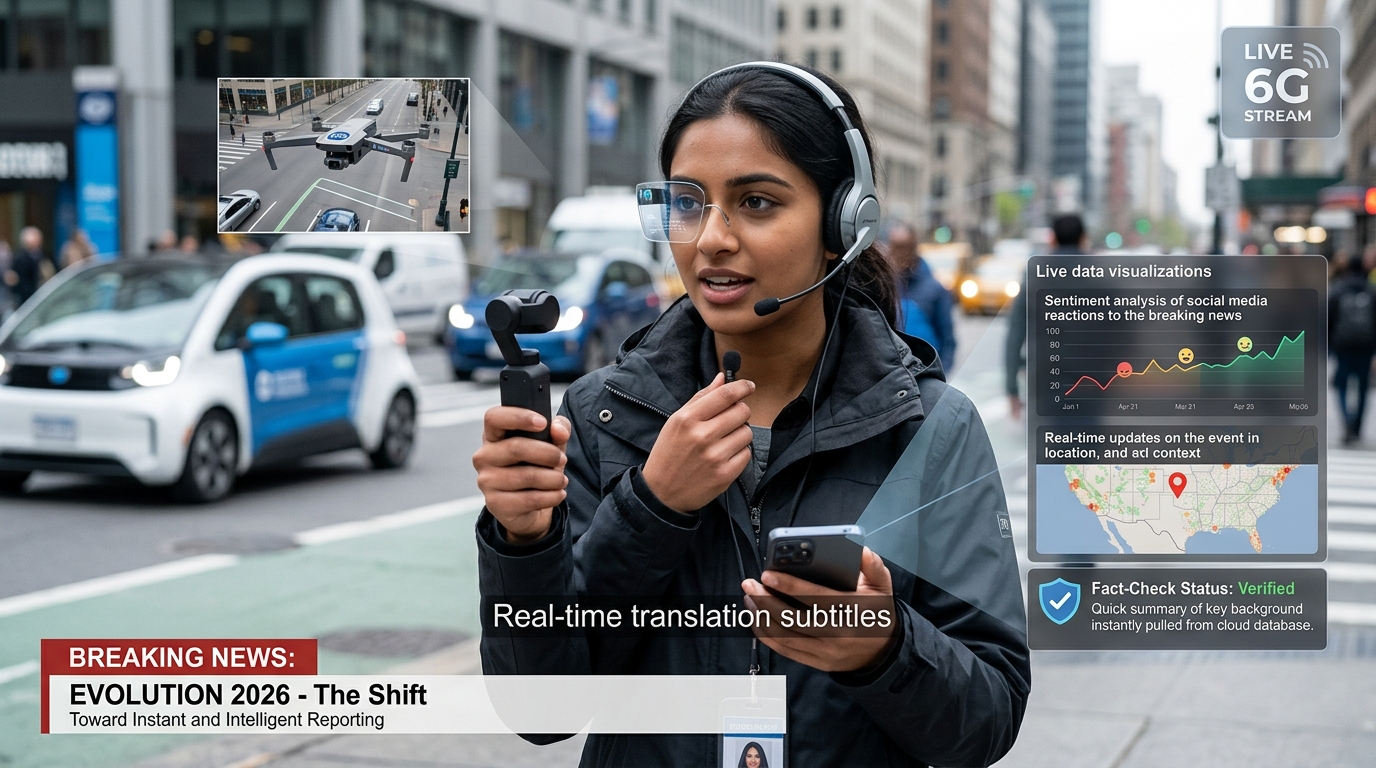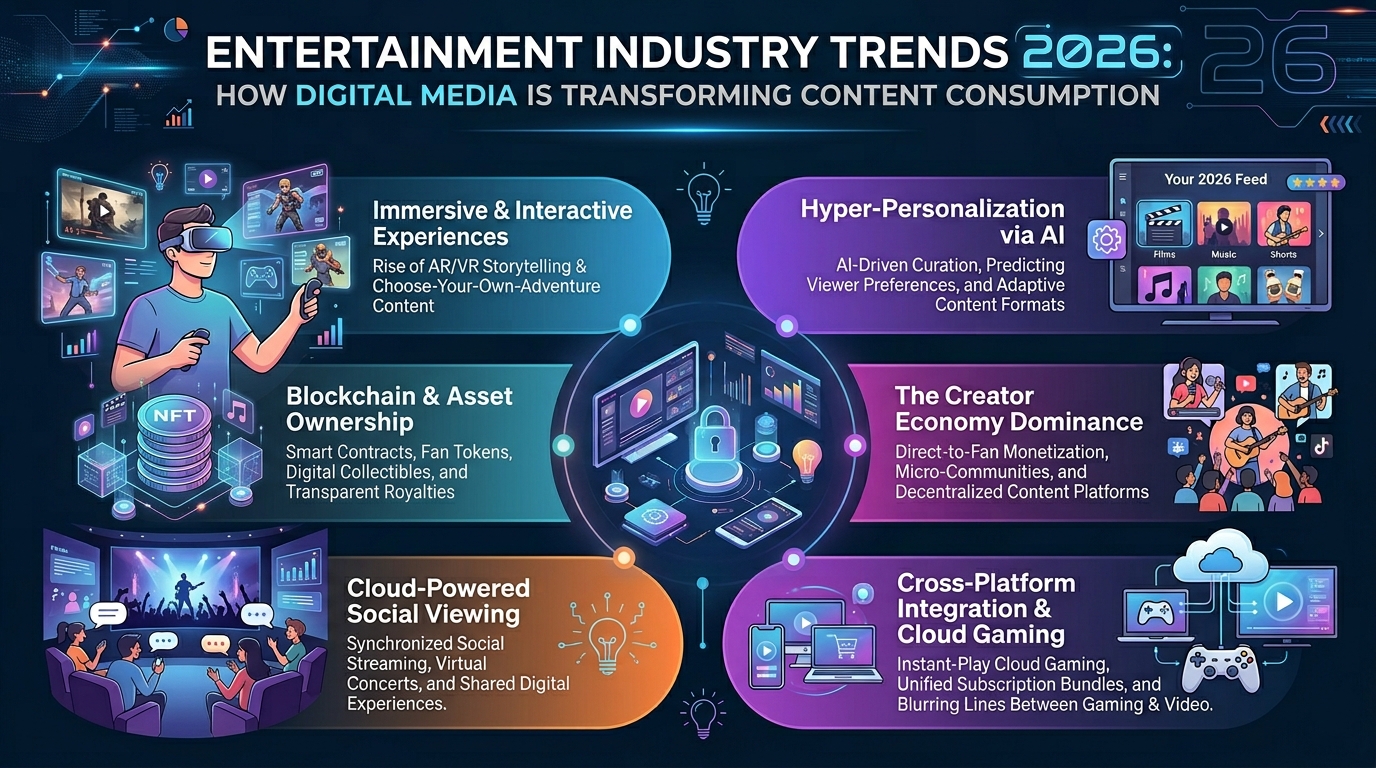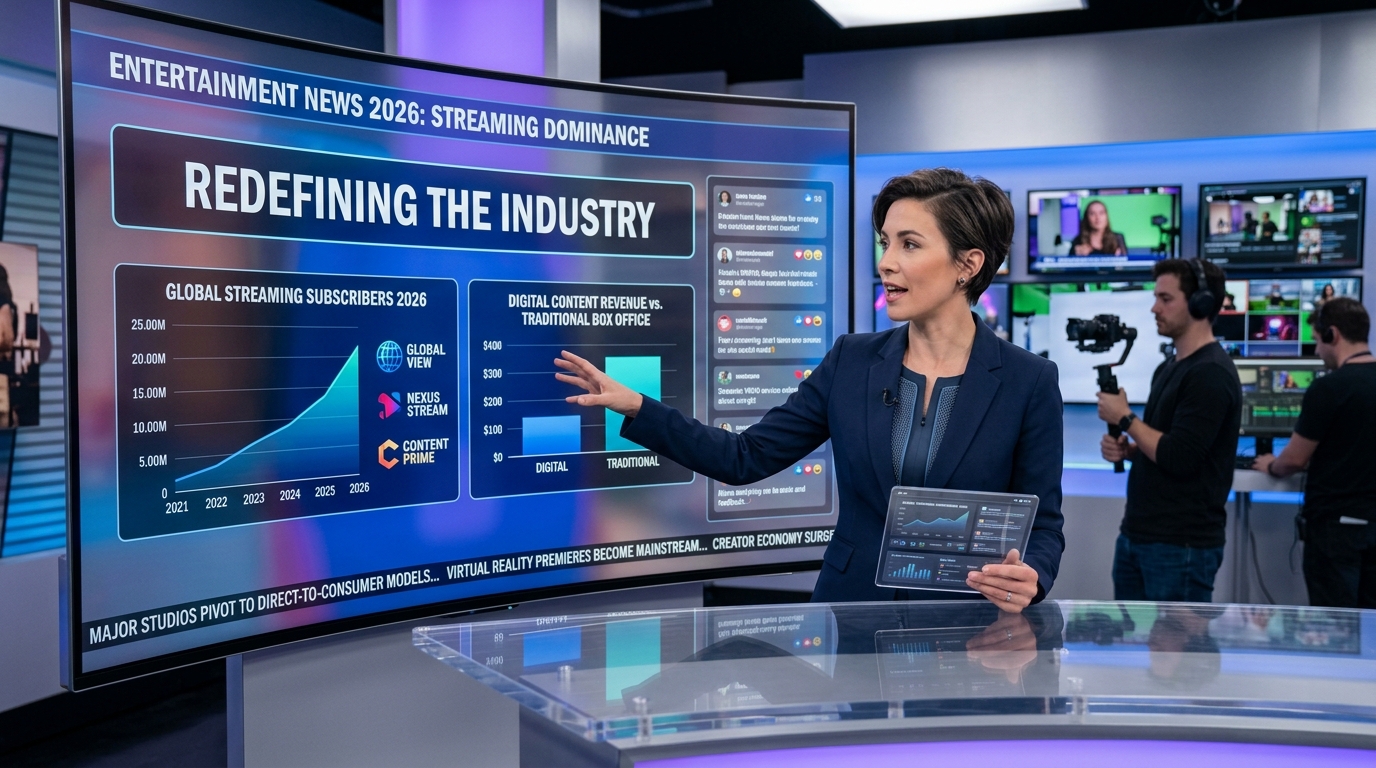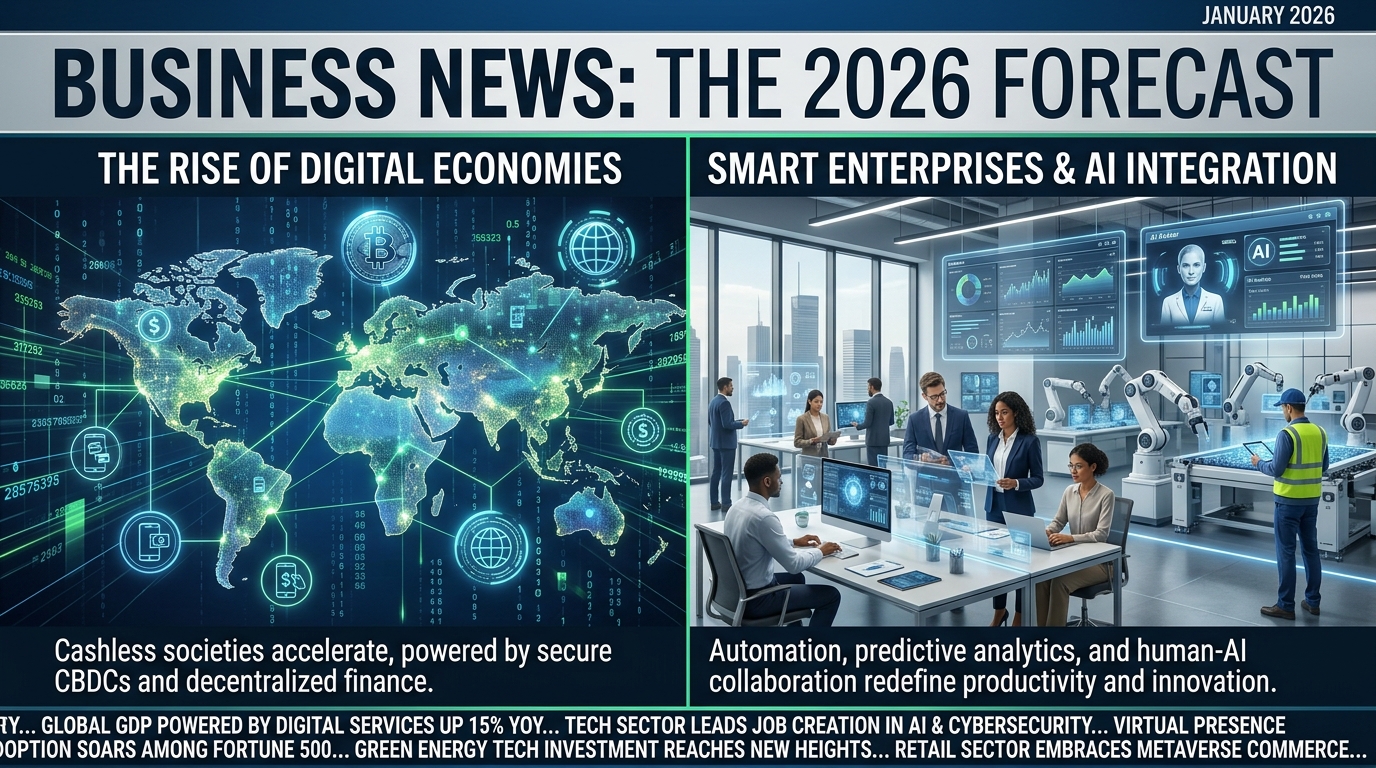

Business news in 2026 highlights a powerful shift towards digital economies where technology, data, and innovation are driving global markets. Traditional business models are being replaced by agile, tech-enabled systems that allow companies to operate faster, smarter, and more efficiently. From small startups to multinational corporations, every organization is adapting to a rapidly changing environment shaped by artificial intelligence, automation, and global connectivity. This transformation is not only changing how businesses operate but also how they compete and grow in the modern world.
Digital Economy Becoming the New Standard
The digital economy has become the foundation of modern business. Companies are now operating through online platforms, digital payment systems, and cloud-based tools. This shift allows businesses to reach global audiences without physical limitations. E-commerce, digital services, and online marketplaces are expanding rapidly, making it easier for businesses to scale and innovate. The digital economy also encourages competition, pushing companies to improve quality and efficiency.
Role of Artificial Intelligence in Business Growth
Artificial intelligence is playing a major role in business growth by automating processes and improving decision-making. Businesses use AI to analyze customer data, predict market trends, and optimize operations. AI-powered chatbots, recommendation systems, and automation tools are helping companies improve customer experience and reduce operational costs. As AI continues to evolve, it will become even more integrated into business strategies.
Expansion of Global E-Commerce
E-commerce has become one of the fastest-growing sectors in the business world. Online shopping platforms allow consumers to purchase products from anywhere at any time. Businesses are focusing on digital marketing, fast delivery systems, and personalized shopping experiences to attract customers. This growth has also created new opportunities for small businesses to compete with larger brands on a global scale.
Changing Nature of Work and Remote Culture
The workplace is evolving with the rise of remote and hybrid work models. Companies are adopting flexible working environments that allow employees to work from different locations. This shift has increased productivity and reduced costs for businesses. Digital communication tools and cloud platforms have made remote collaboration more effective and accessible.
Importance of Data-Driven Decision Making
Data has become one of the most valuable assets in modern business. Companies rely on data analytics to understand customer behavior, track performance, and make strategic decisions. Data-driven approaches reduce uncertainty and improve efficiency. Businesses that effectively use data are more likely to succeed in a competitive market.
Rise of Startups and Innovation Culture
Startups are driving innovation in the global economy by introducing new ideas and technologies. Many startups focus on solving real-world problems using digital solutions. Venture capital funding and supportive ecosystems are helping startups grow rapidly. This innovation culture is pushing traditional businesses to adapt and evolve.
Impact of Financial Technology on Business
Financial technology, or fintech, is transforming how businesses handle transactions and financial services. Digital payments, online banking, and automated financial tools are making business operations more efficient. Fintech solutions also improve accessibility, allowing businesses to manage finances with greater ease and transparency.
Sustainability and Ethical Business Practices
Sustainability has become a key focus in modern business strategies. Companies are adopting eco-friendly practices to reduce environmental impact and meet consumer expectations. Ethical business practices, such as transparency and corporate responsibility, are also gaining importance. Businesses that prioritize sustainability are more likely to build long-term trust and success.
Future of Business in a Digital World
The future of business will be shaped by continuous innovation and technological advancement. Automation, AI, and global digital networks will continue to transform industries. Companies that adapt to these changes and invest in technology will remain competitive. The business landscape will become more dynamic, requiring constant learning and flexibility.
FAQs
What is the digital economy
It is an economy based on digital technologies and online platforms
How does AI help businesses
It improves efficiency and supports better decision making
Why is e-commerce growing rapidly
Because of convenience and global accessibility
What is the future of work
It includes remote and flexible working models
Why is data important in business
It helps companies make informed and strategic decisions
Conclusion
Business news in 2026 reflects a world where digital transformation, innovation, and global connectivity are shaping the future of commerce. Companies are evolving rapidly to stay competitive in a technology-driven environment. With the rise of AI, e-commerce, and data analytics, businesses have more opportunities than ever to grow and succeed. However, adapting to change and embracing new technologies will remain essential for long-term success in the modern digital economy.