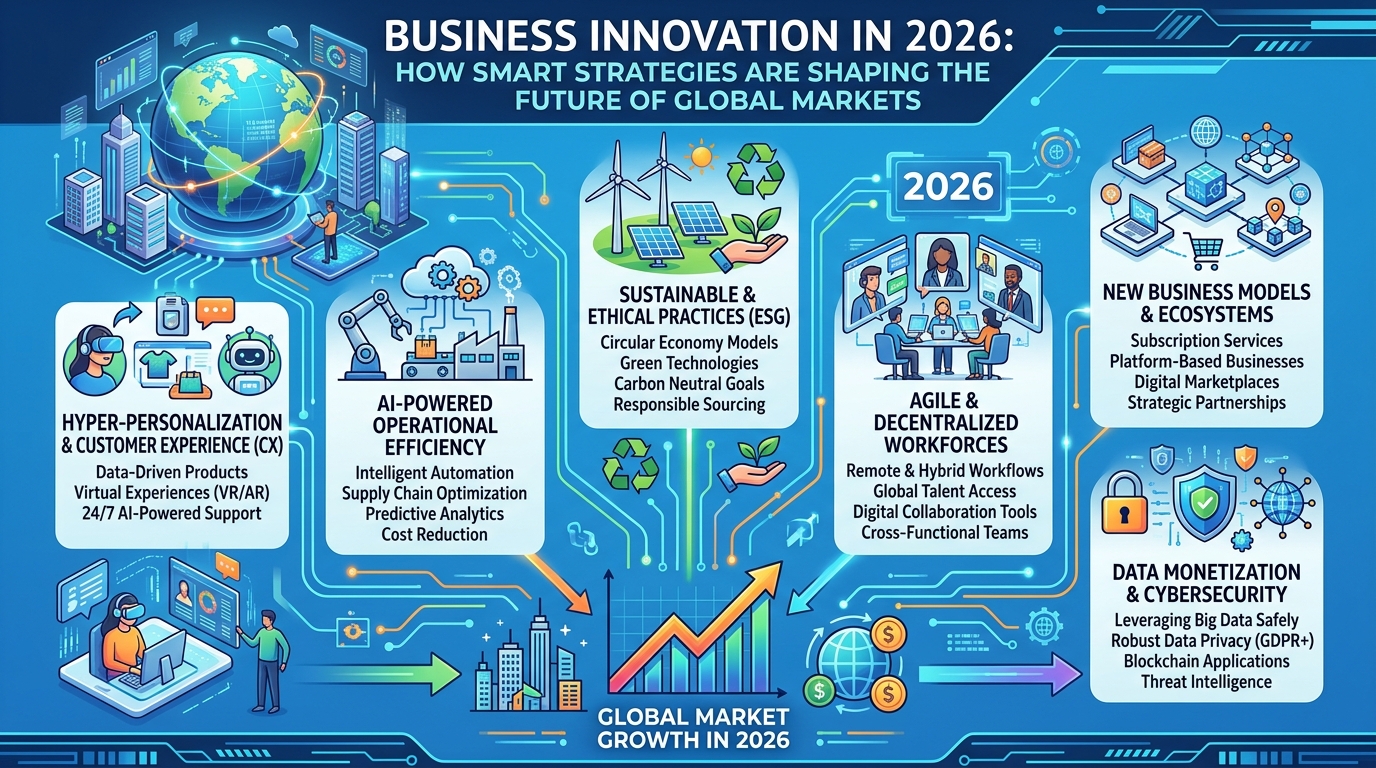


Artificial intelligence has moved quickly from conference demonstrations into ordinary office work. Staff use it to summarise long documents, draft routine emails, clean up spreadsheets, prepare meeting notes and find patterns in customer feedback. The most successful AI tools for business are rarely the ones that promise to replace an entire department. They are the practical tools that remove a repetitive task, shorten a first draft or help a busy person find the right information sooner.
That distinction matters. A small company does not need an expensive transformation programme to benefit, but it does need clear rules. Owners should know which tasks are suitable for automation, which information must never be pasted into a public tool, and who is responsible for checking the final result. Used with those guardrails, AI can give smaller teams some of the capacity that used to require a much larger headcount.
Writing, Editing and Everyday Communication
Drafting is the most common starting point. AI can turn bullet points into a proposal outline, suggest a clearer version of a difficult email, produce several headline options or adapt one announcement for different audiences. It is particularly useful when the blank page is the problem. A human still decides what is true, what tone is appropriate and what should be left out, but the first version arrives much faster.
Teams should be careful with facts, names, prices and dates. AI systems can produce confident text that contains an invented detail, so anything published or sent to a customer needs the same checking as work from a new junior colleague. The safest approach is to give the tool approved source material, ask for a draft based only on that material, and then review it properly rather than treating speed as proof of quality.
Meetings, Notes and Finding Information
Meeting assistants can transcribe discussions, identify decisions and create action lists. For people who manage several projects, searchable notes are often more valuable than the transcript itself. Instead of asking colleagues to remember what was agreed three weeks ago, a manager can search the record and share the relevant section. AI search tools can also summarise internal policies, product documents and training material, provided access permissions are respected.
Businesses introducing these tools should tell staff when a meeting is recorded and explain how recordings are stored. Consent, retention and confidentiality are not optional details. A short policy covering customer data, personal information and commercially sensitive documents will prevent most problems, and a named person should be responsible for reviewing which tools are approved.
Customer Support Without Losing the Human Touch
Chat assistants can answer common questions about opening hours, delivery, returns and account basics at any time of day. They can also summarise a long customer conversation for a support agent and suggest relevant help articles. This works best when the assistant knows its limits and passes the conversation to a person when the customer is upset, the case is unusual or money and safety are involved.
Customers judge the experience by whether their problem is solved, not by whether the first reply was automatic. Businesses should monitor real conversations, correct wrong answers and make it easy to reach a human. Clear update messages also build trust: the principles behind understanding update notices and user guidance apply equally to service changes, AI features and new app functions. Tell people what has changed, why it matters and where to get help.
Finance, Admin and Data Work
Some of the strongest returns come from unglamorous administration. AI can categorise expenses, extract details from invoices, flag duplicate payments, reconcile simple records and highlight unusual transactions for review. In sales and marketing, it can group customer feedback, compare campaign results and prepare first drafts of reports. Analysts still need to ask whether the underlying data is complete, but they spend less time copying numbers between systems.
These uses pair naturally with modern finance platforms. As our coverage of digital banks gaining ground with small business owners explains, business customers increasingly expect their banking, bookkeeping and payment tools to work together. AI becomes much more useful on top of clean, connected data. If records are scattered across personal inboxes and unnamed spreadsheets, fixing that basic organisation should come before buying another clever tool.
Choosing Tools That Fit the Job
Start with a painful, frequent and measurable task. Examples include summarising support tickets, drafting product descriptions from approved facts, or turning meeting decisions into tasks. Run a small trial with the people who actually do the work, measure the time saved and count the errors that still need correction. A tool that saves ten minutes but creates twenty minutes of checking is not a success.
Compare total cost, not just the headline subscription. Training, integrations, extra user licences and time spent managing the system all count. Check where company data is processed, whether it is used to train other models, how long it is kept and whether you can export your information if you leave. Prefer suppliers that offer access controls, audit records and clear support. A well-known name is not a substitute for reading the terms that apply to your business data.
Skills, Jobs and Responsible Use
AI changes tasks more often than it removes whole roles in one step. A marketer may spend less time producing a first draft and more time interviewing customers. An administrator may spend less time typing notes and more time resolving exceptions. Managers should describe those changes honestly and train staff rather than announcing a tool and expecting confidence to appear by itself.
There are also limits that should stay firm. Final decisions about hiring, lending, medical matters, legal advice and disciplinary action need accountable human judgement. Businesses should check outputs for bias, protect confidential information and keep a record of important decisions. Transparency matters as well: if AI helps produce a customer-facing document, the business remains responsible for every word in it.
A Sensible First Month With AI
In the first week, pick one workflow and one owner for the trial. In the second, agree the approved tool, the data staff may use and the checking process. In the third, run it on real but low-risk work and collect examples of both time saved and mistakes caught. In the fourth, decide whether to expand, switch tools or stop. That simple rhythm keeps enthusiasm grounded in evidence.
The future of AI tools for business will not be decided by the longest feature list. It will be decided by trust, usefulness and fit with the way teams already work. Businesses that start small, protect their data and keep people responsible for the final result can gain real time every day without surrendering judgement to a machine. That is the practical promise of AI at work: less repetitive effort, clearer information and more time for the conversations and decisions only people can handle well.