A shocking headline arrives in the family group chat, perfectly designed to be forwarded: outrageous enough to demand a reaction, vague enough to resist checking. Most misinformation spreads exactly like this — not because people are foolish, but because sharing takes one tap and verifying takes effort nobody taught. Learning how to spot fake news is a learnable routine, not a talent: five checks, most of them under a minute, that separate reporting from fabrication with remarkable reliability. This guide lays out the routine in the order a working fact-checker uses it, tuned for readers rather than professionals.
Check One: Stop and Read Past the Headline
The headline is the advertisement, not the article. A large share of shared links are forwarded by people who never opened them, and misleading stories exploit that: the headline claims what the body quietly hedges, sources anonymously, or never supports at all. The first skill is a pause — read the full piece, and notice whether the body actually delivers the headline’s promise, whether named sources appear, and whether the “news” is a single claim repeated in different words. Emotional temperature is data too: content engineered to make you furious or triumphant before you have thought is content engineered, full stop. Genuine reporting can be dramatic, but it rarely needs you angry in the first sentence.
Check Two: Who Published This, Really?
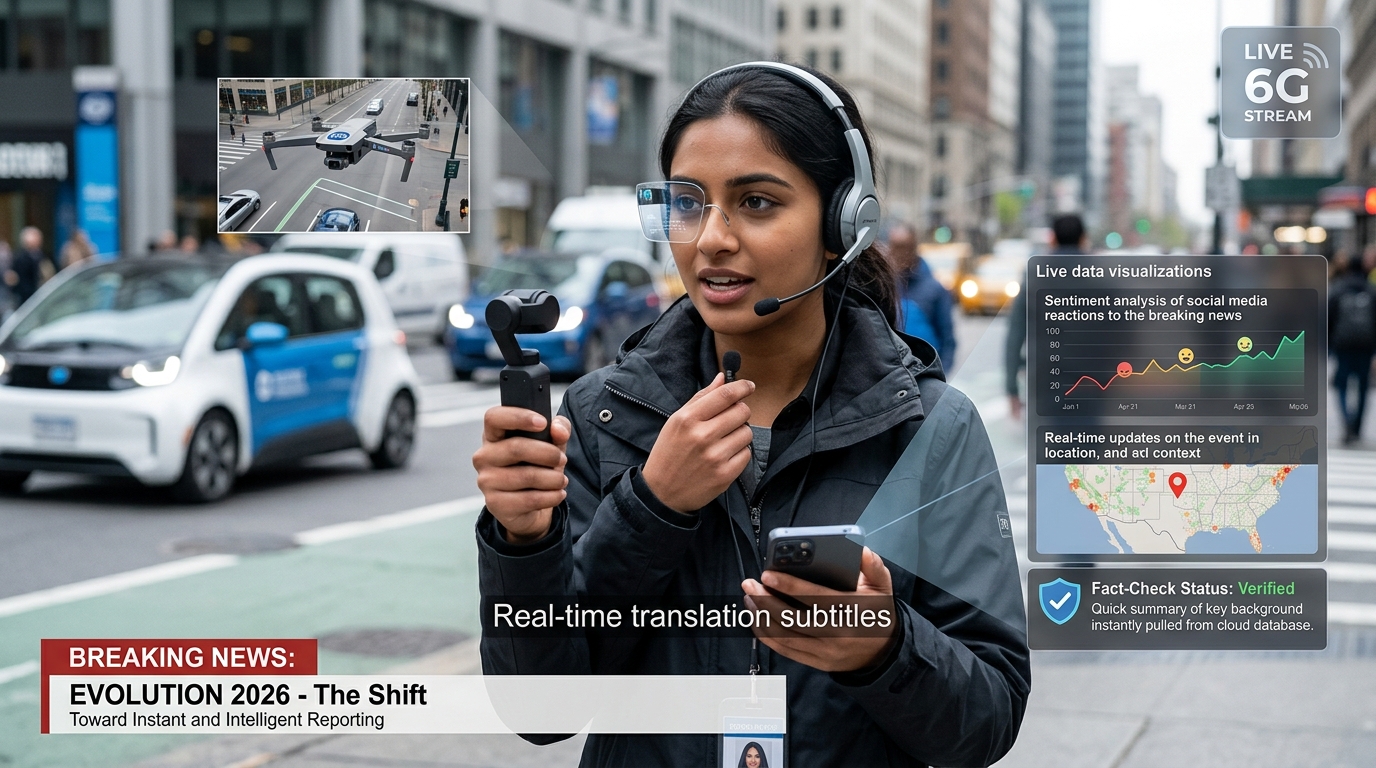
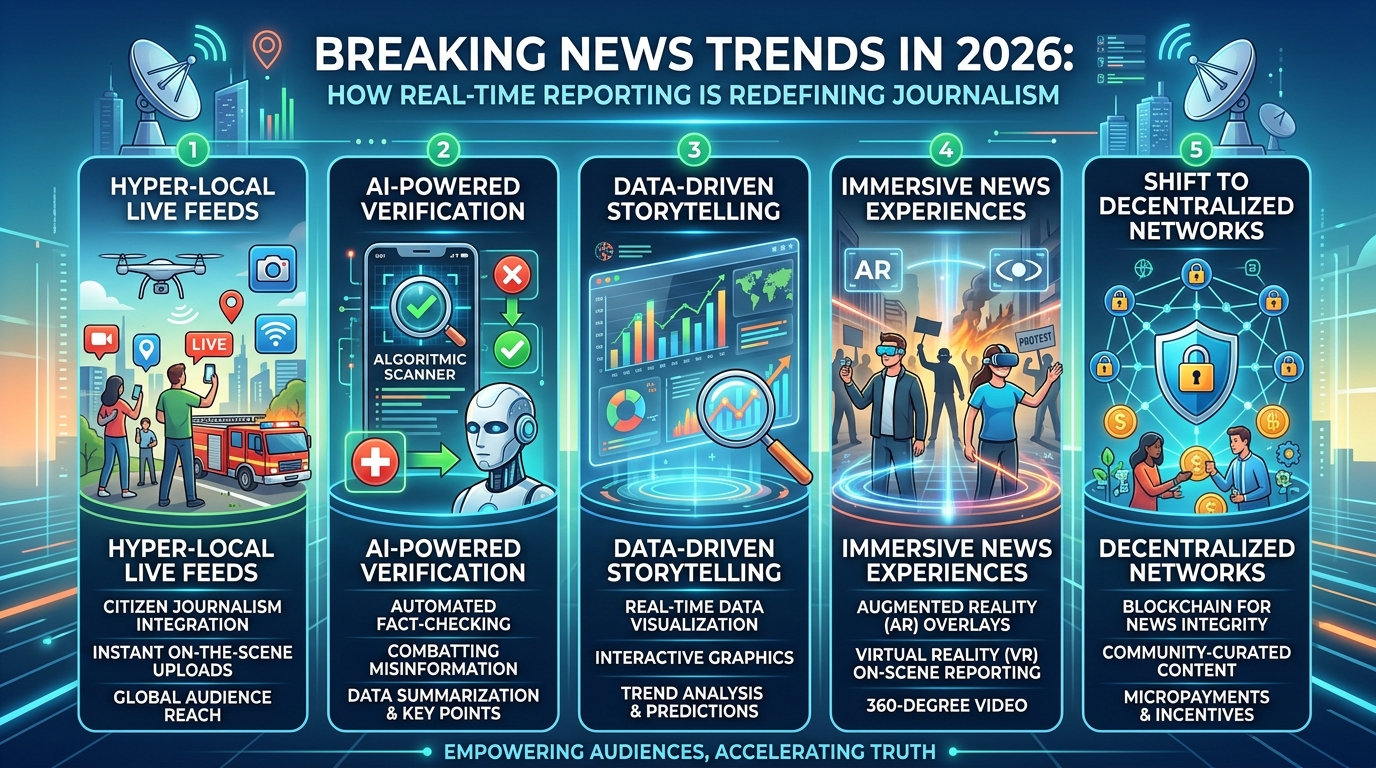
Leave the story and inspect the teller. A real newsroom has an About page with named staff, a corrections policy, contact details and a history of covering many topics — including boring ones. Lookalike sites are the modern counterfeit’s main tool: domains that differ from a famous outlet by one word or a swapped suffix, logos copied, layouts cloned. Type the outlet’s name into a search engine rather than trusting the address you were handed. Then ask the coverage question: is anyone else reporting this? A genuinely major event is covered by multiple independent outlets within hours. A world-changing claim carried by exactly one unfamiliar website is not a scoop; it is a signal. The speed of modern reporting, as our analysis of breaking news trends shows, makes true exclusives of that size nearly impossible.
Check Three: The Date, the Place and the Original Context
Old content in new clothes is the cheapest fake of all. A real photo from a real event five years ago, recaptioned as today’s incident elsewhere, defeats casual scrutiny because everything in it is genuine except the claim. Reverse image search (available in every major search engine and on phones) reveals where an image first appeared and in what story. For text claims, search the central fact plus the year — recycled stories surface immediately. Check dates on the article itself: some sites deliberately strip or blur them. And when a quote does the rounds, find its first home: a sentence quoted from a speech, an interview or a court filing can be read in context in minutes, and context is where most quote-based fakes quietly die.
Check Four: Follow the Evidence Offered
Credible stories show their work: documents you can open, data you can inspect, experts with names, institutions and a track record you can verify, and links that lead to the sources claimed rather than to other articles on the same site. Apply the expert test — search the quoted expert’s name; real specialists exist outside this one story. Apply the screenshot test — a screenshot of a headline, a post or a document is an image, and images are trivially fabricated; the original should exist and be findable. Apply the numbers test — statistics without a publisher, a year and a method are decoration. None of this requires expertise in the subject; it requires only refusing to accept a claim whose evidence is a picture of evidence.
Check Five: Your Own Bias Is Part of the System
The uncomfortable check is internal. Misinformation is designed to confirm what its target audience already suspects, because confirmation feels like recognition and recognition gets shared. The stories you most want to be true deserve the most scrutiny, not the least — a discipline journalists apply to their own scoops. A practical trick: before sharing, state the claim to yourself in the flattest possible words, without the loaded adjectives. Half of viral falsehood evaporates under flat restatement. And when you do find you have shared something wrong, correct it in the same place you shared it; the correction rarely travels as far, but it inoculates your circle — the people most likely to trust the next thing you send.
When AI Enters the Picture: Deepfakes and Synthetic Content
The newest layer is synthetic media, and the checks adapt rather than change. For video of public figures, the strongest test remains corroboration: a real statement by a real leader is reported by real outlets with transcripts; a clip that exists only as a clip should be treated as unproven however convincing the face looks. Watch for the classic artefacts — unnatural blinking, warped hands and teeth, audio that drifts from the lips — but do not rely on spotting them, because the technology improves monthly. For text, AI-generated fakes tend toward fluent vagueness: confident claims, no verifiable specifics, sources that dissolve when searched. The defence is the same five checks, weighted toward provenance: who published it first, who else confirms it, and can the evidence be opened. Provenance outlives detection — artefacts get fixed; a missing paper trail does not.
The Bottom Line
How to spot fake news reduces to a habit stack: pause at the headline, verify the publisher, date and source the material, demand evidence you can open, and audit your own eagerness to believe. Five minutes on a story that matters, thirty seconds on one that does not, and the group chat gets a little more trustworthy every time you are in it. In an information environment built for speed, the reader who slows down is the one who stays informed. Teach the routine to one other person — a parent, a teenager, a colleague — and the effect doubles, because verification, like misinformation, spreads through the same networks of trust.