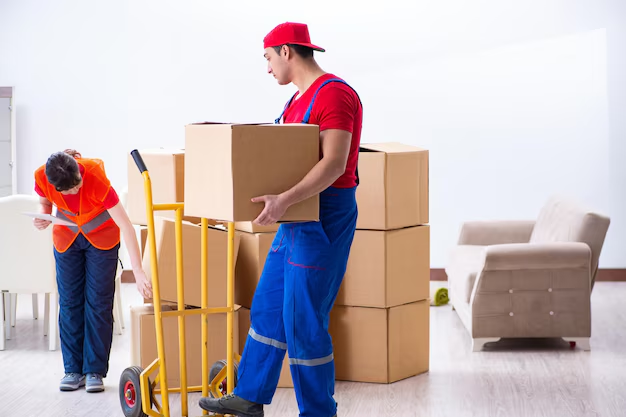

Moving to a new home in Melbourne involves more than putting belongings into boxes and hiring a truck. Furniture has to be prepared, fragile possessions protected, access checked, and the new property made ready for delivery. Reliable moving services in Melbourne can take care of much of the physical work, but good preparation still makes a noticeable difference.
A relocation can involve many small tasks that are easy to overlook. Starting early gives you time to sort possessions, organise packing materials, arrange access, and deal with anything that could create complications on moving day.
Create a Moving Checklist
A written checklist gives the relocation some structure. Begin by listing the major tasks that need to be completed before the move.
These may include:
- Sorting household belongings
- Booking professional movers
- Arranging packing supplies
- Disconnecting appliances
- Measuring large furniture
- Confirming property access
- Labelling boxes
- Preparing an essentials bag
- Cleaning the old property
- Checking the new property before arrival
Break larger jobs into smaller tasks. Packing an entire house in one session can be exhausting, while completing one room at a time is easier to manage.
Start with belongings that are rarely used. Seasonal decorations, books, spare kitchen equipment, and stored clothing can usually be packed before everyday essentials.
Sort Before You Pack
Moving provides a useful opportunity to reduce clutter. There is little reason to transport possessions that have not been used for years.
Create separate groups for items to keep, donate, sell, recycle, or discard. Be realistic about furniture as well. A large cabinet may have fitted perfectly into the old house but may not suit the layout of the new one.
Reducing the volume of belongings can make packing, transportation, unloading, and unpacking easier. It also means fewer boxes need to be opened after arriving.
Sentimental belongings require a different approach. Keep items that genuinely matter, but avoid placing irreplaceable possessions into ordinary boxes without additional protection.
Pack Each Room With Care
A box should be packed according to its contents rather than simply filled until there is no space left.
Heavy objects should generally go into smaller boxes so they remain manageable. Lightweight belongings can fill larger containers without creating excessive weight.
Fragile items need cushioning on all sides. Wrap glassware, ceramics, ornaments, and other breakables individually and use suitable packing material to limit movement.
Do not forget to label every box. Include both the destination room and a short description, such as “Kitchen – Plates” or “Bedroom – Linen.” This saves time when unloading.
A separate marking system can identify boxes containing fragile or priority items.
Prepare Large Furniture
Furniture often takes the most effort during a relocation. Beds, wardrobes, dining tables, sofas, desks, and cabinets can be difficult to carry through narrow spaces.
Measure large items before moving day and compare their dimensions with doorways, hallways, staircases, gates, and lifts. This can reveal access problems before furniture is being carried.
Where appropriate, detachable legs, shelves, drawers, and other components can be removed. Keep screws and fittings in labelled bags and attach them securely to the relevant furniture.
Photographs taken before dismantling complicated pieces can also make reassembly easier.
Protect the Property During the Move
Furniture can cause damage to walls, floors, doors, and other fixtures if it is moved without sufficient care.
Clear pathways before movers arrive. Remove small tables, decorations, rugs, plants, and other objects from routes used for carrying furniture.
Protective coverings may be useful on delicate floors, while corners and door frames may require extra attention when large pieces are moved through tight spaces.
The same preparation should be completed at the destination. Clear entrances and pathways allow furniture to be placed efficiently instead of being left in temporary locations.
Melbourne Access Needs Attention
Melbourne homes and apartments can have very different access conditions. A suburban property may have a driveway and direct entrance, while an apartment relocation could involve lifts, shared corridors, building rules, and restricted loading areas.
Check access requirements before moving day. Apartment residents may need to reserve a lift or loading zone through building management. Parking arrangements should also be considered, particularly in busy areas.
Properties with stairs, steep driveways, narrow gates, or limited turning space should be described accurately when arranging the move.
Giving the moving team complete information helps them prepare for the actual conditions rather than making adjustments after arrival.
Keep Essentials With You
Not everything should be packed into the moving truck. Prepare a separate bag or box containing items needed immediately after reaching the new home.
Useful essentials can include:
- Phone and laptop chargers
- Important documents
- Medication
- Toiletries
- Basic clothing
- Snacks and water
- Cleaning products
- Basic kitchen supplies
- Pet necessities
- Children’s essentials
Keep this box accessible throughout the move. Searching through dozens of sealed cartons for a phone charger or toothbrush is an unnecessary frustration after a long day.
Valuable jewellery, cash, confidential paperwork, and other highly personal possessions can also remain under your direct supervision.
CBD Movers for Relocation Support
CBD Movers provides moving assistance for households and businesses managing relocations. Professional movers can handle loading, transportation, unloading, and the physical work involved in moving bulky belongings.
Sharing accurate details during the booking process is useful. Tell the moving team about stairs, lifts, narrow entrances, fragile items, large furniture, parking limitations, and any other relevant conditions.
Professional handling can also reduce the physical strain associated with repeatedly lifting heavy furniture. Suitable equipment and careful lifting techniques help protect both belongings and the people moving them.
Storage Can Help During a Transition
Not every relocation happens directly from one home into another. Renovations, settlement dates, temporary accommodation, and downsizing can create a gap between properties.
Storage can provide a temporary place for furniture and household possessions during this period. Items that are not immediately required can be packed, labelled, and stored until the new property is ready.
Before storage, clean and dry furniture and appliances properly. Protect upholstered pieces and keep an inventory of stored belongings. Clear labels make it easier to locate specific boxes later.
Storage can also be useful during renovations when rooms need to remain clear for tradespeople.
Make the New Home Ready
A little preparation at the destination can save considerable effort. Decide where major furniture should go before the truck arrives.
Clear each room and keep pathways open. If several people are helping with unloading, assign someone to direct furniture and boxes to their intended locations.
Place large furniture first because it is harder to move once boxes and smaller items occupy the room. Boxes can then be positioned around the furniture.
Take a quick condition check of the new property before unloading begins. This provides a useful record of any existing marks or damage.
A Smoother Melbourne Relocation Starts Early
Moving becomes easier when the physical and logistical details are addressed before moving day. Sorting belongings, packing carefully, measuring furniture, checking access, and preparing both properties can remove many common sources of disruption.
Professional movers can handle the demanding work of lifting, transporting, and unloading, leaving you more time to focus on paperwork, utilities, cleaning, and settling into the new property.
For anyone preparing for a Melbourne relocation, a little organisation combined with professional moving assistance can make the entire process more manageable. Contact us today to discuss dependable moving support for your next Melbourne move.