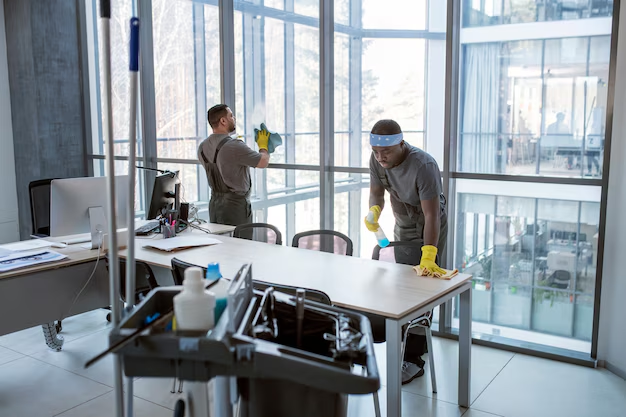

A clean facility does more than create a pleasant first impression. Floors, restrooms, work areas, entrances, and shared spaces all need regular attention to remain safe and functional. Dust buildup, overflowing waste, slippery surfaces, damaged fixtures, and neglected maintenance can affect employees, visitors, customers, and daily operations. Reliable janitorial and maintenance services help property teams keep routine cleaning and facility upkeep under control before minor issues interfere with business.
For commercial properties, cleanliness and maintenance are closely connected. A spotless lobby loses its value if a leaking ceiling leaves water on the floor, just as a well-maintained office can quickly become uncomfortable when restrooms are neglected.
Clean Spaces Support Safer Daily Operations
Employees and visitors move through a facility constantly. Dirt, spills, clutter, and poorly maintained surfaces can create avoidable hazards.
High-traffic areas deserve particular attention because they accumulate dirt and debris faster than less-used spaces. Entrances may collect water and mud during wet weather, while break rooms and kitchens can develop grease or food residue. Restrooms require frequent cleaning because they experience repeated use throughout the day.
Routine cleaning can include:
- Vacuuming and mopping floors
- Cleaning restrooms and replenishing supplies
- Wiping high-touch surfaces
- Removing trash and recycling
- Cleaning glass and interior surfaces
- Dusting furniture and fixtures
- Sanitizing shared areas
- Addressing spills and visible messes
A consistent cleaning schedule helps prevent these tasks from being overlooked during busy operating hours.
Maintenance Problems Should Not Sit Unchecked
Cleaning is only one part of facility upkeep. Small maintenance defects can become disruptive when they remain unresolved.
A dripping faucet may waste water and eventually damage nearby surfaces. A loose handrail can become a safety concern. Damaged flooring can create a trip hazard, while a malfunctioning door can interfere with access and security.
Facility managers should have a simple process for reporting and tracking these issues. Employees should know who to notify when they notice a broken fixture, leak, damaged surface, lighting problem, or other facility defect.
Prompt attention also makes maintenance easier to plan. A repair identified early may require less work than the same problem after weeks of deterioration.
High-Traffic Areas Need Extra Attention
Some parts of a facility naturally require more frequent cleaning and inspection. Entrances, hallways, elevators, restrooms, cafeterias, reception areas, and shared workspaces receive constant foot traffic.
Flooring in these areas can show wear faster than flooring in private offices. Door handles, elevator buttons, faucets, and other frequently touched surfaces also require regular cleaning.
Seasonal conditions can change the workload. Rain can bring moisture and debris into entrances, while dry periods may increase dust accumulation. A cleaning plan should account for actual traffic and building conditions rather than relying entirely on a fixed routine.
Restrooms Affect the Entire Facility Experience
Restroom conditions can influence how people perceive a property. Empty soap dispensers, overflowing bins, unpleasant odors, wet floors, or poorly maintained fixtures can quickly create a negative impression.
Regular restroom service should cover more than basic floor and surface cleaning. Fixtures, mirrors, sinks, partitions, dispensers, doors, and waste containers all need attention. Supplies such as soap, toilet paper, and paper towels should also be checked throughout operating hours where traffic is high.
Maintenance teams should report leaks, damaged fixtures, clogged toilets, broken dispensers, and other problems as soon as they are discovered. Cleaning staff are often among the first people to notice these issues.
Facility Network Supports Ongoing Property Care
Keeping a commercial property operational requires coordination between cleaning and maintenance tasks. A dirty area may indicate a recurring facility problem, while a maintenance issue can create additional cleaning requirements.
Facility Network provides support for property owners and facility managers who need assistance with ongoing building care. Combining routine janitorial work with maintenance support can give facility teams a clearer view of problems that need attention.
For busy properties, this coordination can reduce the chance that small defects are lost among daily operational demands. A leaking fixture, damaged wall, broken door, or recurring spill can be documented and addressed instead of becoming a recurring inconvenience.
Maintenance Checks Can Catch Problems Early
Routine inspections are useful even when everything appears to be working properly. Staff can check lighting, plumbing fixtures, doors, windows, flooring, ceilings, common areas, and exterior access points for signs of wear or damage.
Some problems are easier to spot during cleaning because staff regularly work in different areas of the building. A cleaner may notice a ceiling stain, unusual odor, loose tile, leaking pipe, or damaged fixture before anyone else reports it.
Creating a simple reporting system makes these observations more useful. Each issue can be recorded with its location, description, and urgency so the appropriate person can arrange follow-up work.
A Cleaner Facility Can Reduce Disruption
Facility problems rarely stay isolated. A blocked restroom can affect employees across an entire floor. A spill can require an area to be closed temporarily. A leaking pipe can damage flooring and nearby furnishings. A broken entrance door can create access problems for employees and visitors.
Regular cleaning and maintenance reduce the number of unexpected interruptions that facility teams have to manage. They also help keep work areas usable and presentable throughout normal business activity.
The goal is not simply to make a property look clean immediately before an inspection or important meeting. Consistent care keeps the building in suitable condition every day.
Build a Practical Facility Care Routine
A useful facility care program should combine daily cleaning with scheduled maintenance checks. High-traffic areas may need attention several times throughout the day, while less frequently used spaces can follow a different schedule.
Maintenance tasks can be organized by priority. Safety-related issues, active leaks, electrical concerns, damaged access points, and other urgent defects should receive immediate attention. Routine repairs and cosmetic improvements can be scheduled around business operations.
Clear communication also matters. Cleaning teams, maintenance personnel, facility managers, and building occupants should have an easy way to report problems and confirm that they have been addressed.
Keep the Property Ready for the People Who Use It
A well-maintained facility gives employees and visitors a cleaner, safer place to work, meet, shop, learn, or receive services. Regular attention to both cleanliness and physical condition can prevent minor problems from interfering with normal operations.
The most effective facility routines are practical and consistent. They account for traffic, building use, seasonal conditions, equipment, and the specific needs of each property rather than treating every space exactly the same.
Facility Network can support property teams with cleaning and maintenance needs that help keep commercial spaces functional and presentable. Contact us today to discuss reliable facility care for your property.