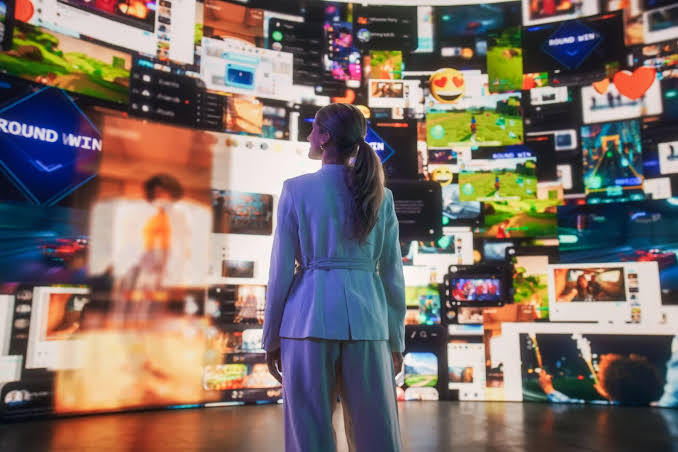

Entertainment has changed dramatically Sanca999 over the past few decades. People once gathered around a television, visited arcades, or waited for a new game to arrive in a physical box. Today, entertainment is faster, more connected, and available almost anywhere. With just a phone, computer, or console, players can enter completely different worlds within seconds.
The journey of the online game is one of the clearest examples of this transformation. What began as simple digital entertainment has grown into a global experience that connects millions of people every day. It has changed how we play, communicate, compete, and even spend our free time.
But how did gaming reach this point?
The Early Days of Online Game Entertainment
The first steps toward connected gaming were simple. Early computer games were often played alone, with basic graphics and limited features. The experience depended mostly on imagination. Players had to create excitement from simple screens, small characters, and straightforward challenges.
Then technology began to improve.
Local networks allowed people to connect computers and compete against one another. This created a new feeling. Suddenly, a game was no longer only about beating a computer-controlled opponent. It became about facing a real person sitting somewhere nearby.
For many early players, this was unforgettable. A friendly match could quickly become a serious competition. Someone who had been quietly playing alone could suddenly find themselves laughing, arguing, and celebrating with friends.
That social element became one of the most important developments in gaming history.
The Rise of Internet Connectivity
As internet access became more common, the possibilities expanded quickly. Players no longer needed to be in the same room to enjoy a shared experience.
Someone in one country could compete against another person thousands of miles away. A group of friends could meet online after school or work. Communities began forming around favorite games, characters, and competitive events.
This was a major turning point.
Imagine a teenager in the early days of widespread internet access. After finishing homework, they might connect to a game and meet players from different cities or even different countries. For the first time, gaming could feel like a global activity rather than a private hobby.
Of course, early connections were not always perfect. Slow speeds, disconnections, and technical problems were common. Yet players were willing to be patient because the experience was new and exciting.
The idea of sharing a digital world with real people was powerful enough to keep them coming back.
From Simple Matches to Living Digital Worlds
As technology improved, games became much larger and more detailed. Developers began creating virtual worlds that could continue growing long after release.
Players could create characters, complete missions, collect items, join groups, and build long-term relationships. Instead of playing for a few minutes and starting over, people could return to the same digital world for months or even years.
This changed the emotional connection between players and games.
A character could become more than a collection of pixels. It could represent time, effort, achievements, and memories. A virtual location could remind someone of a close friend they met during a difficult period in their life.
That is the surprising power of digital entertainment. Sometimes, the most meaningful memories are created in places that do not physically exist.
The Impact of Mobile Technology
The arrival of smartphones created another major revolution.
Gaming was no longer limited to a computer or dedicated console. People could enjoy entertainment while traveling, waiting for an appointment, relaxing at home, or taking a short break during the day.
This made gaming more accessible than ever.
A person who had never owned a gaming console could now discover different types of games directly on a mobile device. The barrier to entry became much lower. Players did not always need expensive equipment or a large amount of free time.
A quick five-minute session could be enough to complete a challenge or enjoy a short break.
As a result, gaming became part of everyday life for a much wider audience. People of different ages and backgrounds began exploring digital entertainment in their own way.
The Social Side of Modern Gaming
One of the biggest changes in the digital age is the growing social nature of gaming.
Today, players do not simply play together. They communicate through voice chat, text messages, livestreams, forums, and online communities. A game can become a meeting place.
Think about a group of friends who live in different cities. They may not have time to meet in person every week. However, they can still connect through a shared digital experience.
They may laugh about a mistake, celebrate a victory, or simply talk about their day while playing.
In this way, gaming has become more than entertainment. For many people, it has become a social routine.
This does not mean every gaming experience needs to be competitive. Some players prefer peaceful cooperation. Others enjoy creative activities or simply exploring virtual environments with friends.
The choice is bigger than ever.
The Growth of Competitive Gaming
Competitive gaming has also transformed the entertainment industry.
What was once considered a casual hobby has developed into organized competitions watched by large audiences. Skilled players train regularly, study opponents, and compete in professional events.
Viewers can now watch tournaments online, follow their favorite teams, and discuss strategies with other fans.
This development has created new opportunities for players, commentators, event organizers, content creators, and many others.
A young player who begins competing casually may eventually discover a serious passion. They may improve their skills, join a team, and build a career around gaming content.
Of course, not everyone wants to compete professionally. That is perfectly fine. The important point is that modern gaming offers more paths than ever before.
Streaming and the New Entertainment Experience
Streaming has completely changed how people discover games.
In the past, players often chose a title based on advertisements, magazine reviews, or recommendations from friends. Today, they can watch someone play before making a decision.
This creates a different relationship between players and creators.
A viewer may discover a new game through a funny video. Another person may learn advanced strategies by watching an experienced player. Someone else may simply enjoy the personality of the streamer.
The game becomes part of a larger entertainment experience.
People watch, comment, share, discuss, and participate. Sometimes, the community surrounding a game becomes just as important as the game itself.
The Future of Online Game Entertainment
So, where does gaming go next?
The future will likely bring even more immersive experiences. Faster connections, improved technology, and new forms of digital interaction may make virtual environments feel more realistic and responsive.
However, technology alone will not determine the future.
The most successful experiences will continue to focus on what players actually value. Fun matters. Creativity matters. Fair competition matters. Most importantly, human connection matters.
A game with impressive graphics may attract attention, but meaningful experiences are what keep people returning.
The history of gaming shows that entertainment is always changing. From simple computer screens to connected global communities, each generation has introduced something new.
Yet one thing has remained the same. People enjoy stories, challenges, discovery, and shared experiences.
That is why gaming continues to evolve so quickly. It reflects the way people communicate and live in the digital age.
The next chapter has not been written yet. New ideas are already changing how people play, watch, and connect. Whether you are a longtime player or someone just beginning to explore digital entertainment, there has never been a more exciting time to discover what the gaming world has to offer.
Take a little time to explore new experiences, connect with other players, and see where the next chapter of digital entertainment takes you.