
A modern Bitcoin VPS provides a flexible hosting environment for cryptocurrency-related websites, applications, APIs, monitoring systems, development projects, and other legitimate online services. As digital projects become more demanding, choosing a VPS based only on price or storage capacity is no longer enough. Businesses and developers need reliable infrastructure with strong performance, security, flexibility, and room for future growth.
A Virtual Private Server offers many of the advantages of dedicated infrastructure while remaining more affordable and easier to manage. However, not every VPS package provides the same experience. Understanding the essential features of a modern Bitcoin VPS can help users select a solution that matches their technical requirements and long-term goals.
Reliable CPU Performance
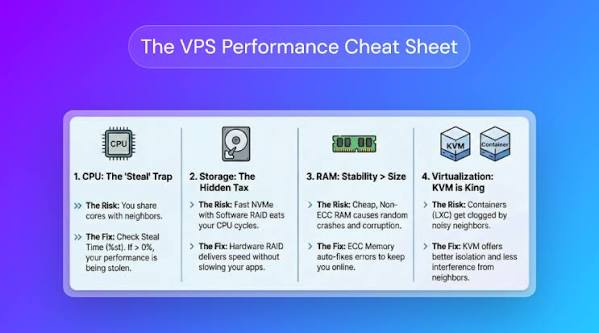
CPU performance is one of the most important factors when choosing a VPS. Cryptocurrency-related applications can involve databases, APIs, monitoring tools, web applications, automation systems, and background services that require consistent processing power.
A modern Bitcoin VPS should provide clearly defined CPU resources rather than relying entirely on heavily shared processing capacity. Adequate CPU allocation helps applications respond quickly and allows multiple services to operate without unnecessary slowdowns.
Users should consider both the number of virtual CPU cores and the underlying processor technology. A stronger CPU can be particularly useful for projects that perform frequent calculations or handle several simultaneous tasks.
Sufficient RAM
Memory is another essential feature of a reliable VPS environment. Applications need RAM to operate efficiently, while databases, caching systems, control panels, and monitoring software can consume additional memory.
A modern Bitcoin VPS should offer enough RAM for the intended workload, with upgrade options available as the project grows. A small development website may require relatively modest resources, while a larger cryptocurrency application or monitoring platform may need considerably more.
Having sufficient RAM can also reduce the likelihood of applications relying heavily on slower disk-based memory, helping maintain more consistent performance.
Fast SSD or NVMe Storage
Storage technology has a direct effect on server responsiveness. Traditional hard drives can be slower when applications frequently read and write data. Modern VPS providers commonly use SSD or NVMe storage to improve disk performance.
NVMe storage can provide particularly fast data access, which can benefit databases, websites, development environments, and applications that perform frequent storage operations.
Storage capacity is also important. Users should choose enough space for their operating system, applications, databases, logs, backups, and future expansion rather than selecting a package based solely on current requirements.
Strong Network Connectivity
A VPS can have powerful hardware but still perform poorly if its network connection is unreliable. Fast and stable connectivity is therefore an essential feature of a modern Bitcoin VPS.
Users should look for providers with high-quality network infrastructure, sufficient bandwidth, low latency, and reliable routing. Stable connectivity is especially important for applications that communicate with external APIs, websites that serve visitors from different regions, and services that require consistent remote access.
Network quality can also influence the overall responsiveness of hosted applications, making it an important consideration alongside CPU, RAM, and storage.
Reliable Uptime
Uptime is critical for online services. If a server repeatedly becomes unavailable, users may experience interruptions, websites can become inaccessible, and automated services may stop working.
A modern Bitcoin VPS should be supported by dependable infrastructure designed for continuous operation. Providers should have reliable data centers, redundant systems, and monitoring processes that help identify infrastructure problems quickly.
While no hosting environment can guarantee that a server will never experience an outage, a strong infrastructure and transparent uptime commitment can significantly reduce unnecessary interruptions.
Advanced Security Controls
Security should be a central consideration when selecting a VPS. Cryptocurrency-related projects can attract unwanted attention from automated attacks, unauthorized login attempts, malware, and other online threats.
A modern Bitcoin VPS should support strong authentication, firewall configuration, secure remote access, regular operating system updates, and sensible user-permission management. SSH access should be properly secured, and unnecessary services should not remain exposed to the internet.
Users should also maintain updated applications and remove software that is no longer required. Server security is not determined by the hosting provider alone; proper configuration and ongoing maintenance are equally important.
Full Administrative Control
One major advantage of VPS hosting is the level of control it provides. A modern Bitcoin VPS should give users appropriate administrative access so they can configure the server according to their project requirements.
With administrative control, users can install software, configure services, manage security settings, create users, adjust server parameters, and deploy applications that may not be supported by traditional shared hosting.
This flexibility makes VPS hosting useful for developers who need a customized environment rather than a fixed hosting platform.
Operating System Flexibility
Different projects require different software environments. Some applications may work best on one Linux distribution, while others may depend on specific versions or configurations.
A quality Bitcoin VPS provider should offer several operating system choices and make it reasonably easy to reinstall or change the server environment when necessary.
This flexibility is valuable for developers who want to test applications, migrate projects, or create environments that closely match their production systems.
Backup and Recovery Options
Even well-maintained servers can experience unexpected problems. Hardware failures, software errors, accidental deletion, or incorrect configuration changes can result in data loss.
For this reason, backup functionality is another important feature of a modern VPS. Users should have access to reliable backup options or be able to configure their own automated backup strategy.
Backups should ideally be stored separately from the primary server. A recovery plan should also be tested periodically so that backups are useful when an actual problem occurs.
Scalability and Upgrade Options
Online projects rarely remain the same size forever. A website may attract more visitors, an application may gain additional users, or a development project may require additional resources.
A modern Bitcoin VPS should therefore provide a clear upgrade path. Users should be able to increase CPU, RAM, storage, or bandwidth without having to completely rebuild their infrastructure.
Scalability allows businesses and developers to start with an appropriate package and increase resources when demand grows. This approach can be more economical than paying for excessive resources from the beginning.
Server Monitoring
Monitoring helps users understand how their VPS is performing. CPU usage, RAM consumption, disk space, network activity, and system health can provide valuable information about potential problems.
A good Bitcoin VPS environment should support monitoring tools that can alert administrators when resource usage becomes unusually high or when important services stop responding.
Regular monitoring can help identify performance issues before they become major disruptions.
Technical Support
Technical support can be extremely valuable, especially when a server experiences a networking, hardware, or infrastructure problem.
When comparing VPS providers, users should examine the type of support available, response times, support channels, and whether assistance is provided 24/7. Managed VPS plans may also provide additional help with system administration, while unmanaged plans generally give users more responsibility and control.
The right choice depends on the user’s technical knowledge and how much server management they want to handle themselves.
Conclusion
A modern Bitcoin VPS should provide much more than basic virtual server space. Reliable CPU resources, sufficient RAM, fast SSD or NVMe storage, stable networking, strong security controls, administrative access, backup options, monitoring, and scalability are all important features to consider.
Choosing the right VPS requires looking beyond the advertised price. Users should evaluate infrastructure quality, resource allocation, security, support, upgrade options, and the provider’s overall reliability. With the right combination of features, a Bitcoin VPS can provide a flexible and dependable foundation for cryptocurrency-related applications, websites, development environments, monitoring systems, and other legitimate online projects.