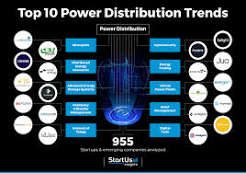

Quick Answer: Energy technology refers to the tools, systems, and innovations used to generate, distribute, store, and manage power more efficiently — including smart grids, renewable energy systems, and advanced storage solutions that are reshaping the global energy landscape.
The energy sector is undergoing one of the most significant transformations in its history. Driven by sustainability goals, rising demand, and rapid innovation, energy technology is no longer just about generating power — it’s about doing so smarter, cleaner, and more reliably.
Key Areas of Energy Technology Innovation
Smart Grid Systems
Modern grids now incorporate real-time monitoring, automated fault detection, and demand-response capabilities, allowing utilities to prevent outages before they escalate and restore power faster when they do occur.
Renewable Energy Integration
Solar, wind, and other renewable sources are increasingly integrated into existing grid infrastructure, requiring new technology to manage variability and ensure consistent supply.
Energy Storage Solutions
Advances in battery technology — particularly large-scale storage systems — are helping balance supply and demand, storing excess energy during low-demand periods for use during peaks.
Predictive Maintenance
Sensors and data analytics now allow utilities to anticipate equipment failures before they happen, reducing unplanned outages and extending infrastructure lifespan.
Why These Innovations Matter
- Improved reliability — fewer and shorter power outages
- Lower operational costs — predictive systems reduce emergency repairs
- Environmental impact — cleaner energy sources reduce carbon footprints
- Better customer experience — real-time outage maps and alerts keep users informed
The Role of Data in Modern Energy Systems
Perhaps the biggest shift in energy technology isn’t a single device or system — it’s the use of data. Utilities now rely heavily on real-time analytics to monitor grid health, predict demand surges, and respond to disruptions faster than ever before. Readers interested in how these advancements directly affect everyday power reliability may find this overview of energy technology trends particularly useful for understanding where the industry is headed.
Challenges Facing Energy Technology Adoption
- High upfront infrastructure costs
- Integration complexities with legacy systems
- Cybersecurity risks as grids become more connected
- Regulatory and policy hurdles across different regions
Final Thoughts
Energy technology is evolving faster than most consumers realize, quietly reshaping how power reaches homes and businesses. As smart grids, renewables, and predictive systems continue to mature, the result will be a more resilient, efficient, and sustainable energy future for everyone.