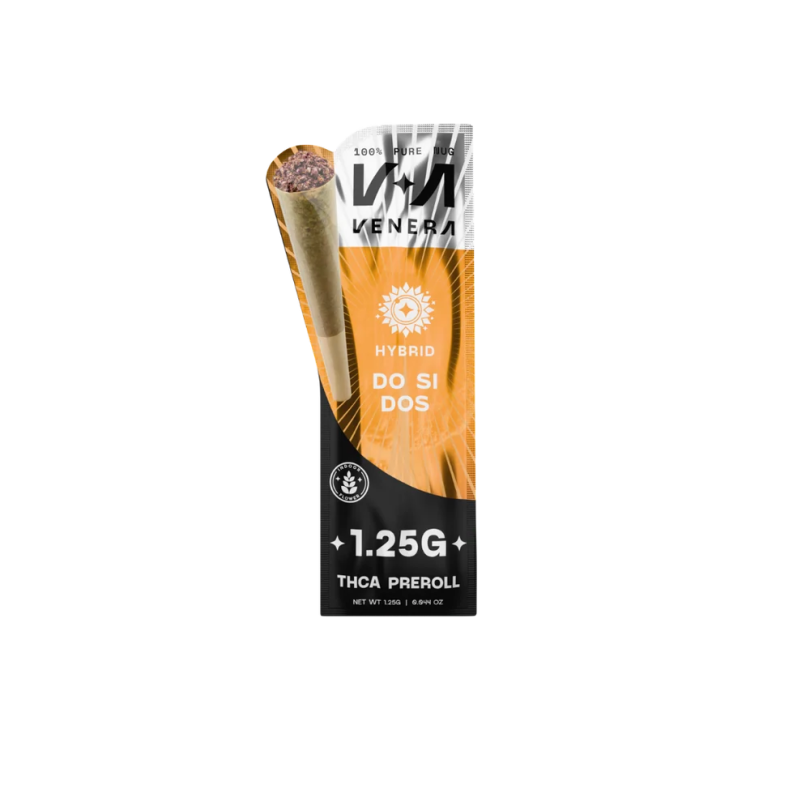

A basic pre roll is just ground flower and paper. An infused one is a different product entirely, built from three separate components layered together, and each one changes how the final thing burns, tastes, and hits. Most people treat infused pre rolls like a slightly stronger version of a regular one, when really it’s closer to a small manufacturing process happening before it ever reaches your hand.
If you’re comparing infused options, it helps to know what’s actually being combined and why it matters. Looking through chapo pre rolls makes this easier to see once you know what each layer is contributing to the final product.
The Flower Base Sets the Foundation
Everything starts with the ground flower itself, and this matters more than people assume for an infused product. A lower quality base flower doesn’t get fixed by adding concentrate on top of it. If anything, a weak or overly dry base burns faster and hotter, which can actually waste some of the concentrate before it has a chance to do its job properly.
Good infused pre rolls start with a flower that would hold up fine on its own, not shake or trim used specifically because it’s cheap enough to justify dressing up. The base needs enough density and moisture to burn evenly once you’ve added extra material on top of it, since infusion adds bulk and changes how the whole thing packs and draws.
Concentrate Is Where the Real Potency Boost Comes From
This is the layer that separates infused pre rolls from standard ones, and it comes in a few different forms depending on the brand. Kief, the trichome powder sifted from flower, is the most common and traditional option, usually coating the outside or mixed through the ground flower itself. Live resin or diamonds get used too, often applied as a coating or rolled into the paper itself for a more concentrated hit.
Each option changes the burn differently. Kief tends to integrate more evenly throughout and burns alongside the flower without much separation. Diamonds and resin, being stickier and denser, sometimes create hot spots or burn slightly differently than the surrounding flower, which is part of why infused pre rolls can feel a little less consistent hit to hit compared to plain flower.
The amount of concentrate matters just as much as the type. A pre roll advertised as infused but using a thin dusting of kief is a very different product from one genuinely soaked or coated in resin. Listings that specify exact concentrate weight or percentage are giving you real information here. Ones that just say “infused” without detail are leaving out something that actually affects the experience significantly.
Flavor Comes From Terpenes, Not Just the Base Strain
The third layer, flavor, usually comes from added terpenes, either strain-specific ones pulled from the original plant or blended profiles designed to hit a particular flavor note. This is separate from whatever aroma the base flower naturally carries, and it’s applied deliberately to shape the final taste and, to some extent, the effect.
Strain-specific terpenes, extracted from the same genetics as the flower itself, tend to create a more cohesive, authentic flavor that matches what you’d expect from that strain. Blended or botanically derived terpenes can still taste great, but they’re built to approximate a flavor rather than being pulled directly from the plant, which is a meaningful difference if authenticity matters to you.
This layering is part of why infused pre rolls can taste noticeably different from smoking the same strain in flower form alone. The terpene application changes the flavor profile on top of whatever the base flower was already contributing, and comparing infused versus plain versions from the same best online thca strain lineup usually makes that difference obvious pretty quickly.
How These Three Layers Actually Interact When You Smoke It
Burn behavior changes once you combine flower, concentrate, and added terpenes, and it’s worth understanding before your first pull rather than being surprised by it. Concentrate coatings, especially diamonds or resin, tend to burn slower and hotter in the specific spots where they’re concentrated, which is part of why infused pre rolls sometimes need more frequent relights or burn a little unevenly compared to plain flower.
This isn’t necessarily a flaw, it’s just a characteristic of the format. Taking slower, more deliberate pulls tends to work better with infused pre rolls than the faster pace you might use with plain flower, partly because the concentrate delivers more per pull and partly because it helps the burn stay more even across the layers.
Potency Claims Need Context From All Three Layers
A high total potency number on an infused pre roll often owes a significant amount to the concentrate layer, not the base flower alone. This matters because two pre rolls advertised at similar percentages can feel pretty different depending on how that potency is actually distributed between flower and concentrate.
A listing that breaks down base flower potency separately from added concentrate potency is giving you a much clearer picture than one that just lists a single combined number. If that breakdown isn’t available and you want a clearer sense of what you’re actually getting, Get in Contact before ordering rather than guessing based on the total percentage alone.
What to Actually Look For
Between the flower base, the concentrate type and amount, and the terpene source, infused pre rolls have more moving parts than plain flower, and each one is worth checking before you buy. A listing that specifies all three clearly is telling you something a vague “infused” label never will, and it usually means the brand actually put thought into the construction instead of just adding concentrate for the sake of a bigger number on the front of the package.